

Shoulder Pain at Night: Why It Gets Worse and What It Means
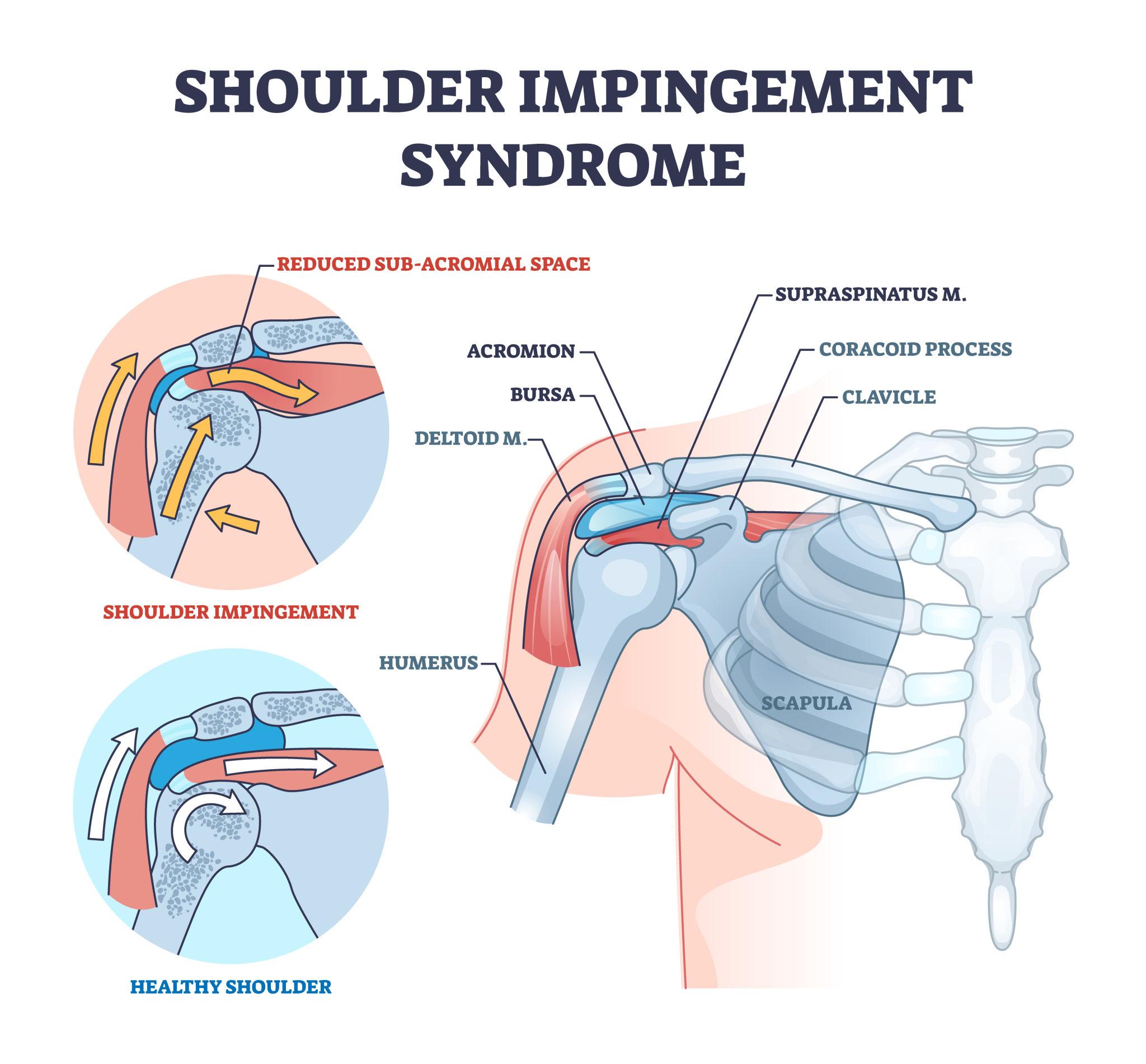

Shoulder pain at night is a common yet frustrating problem. Many people notice that their shoulder feels fine during the day but starts aching or throbbing as soon as they lie down. This pain can disturb sleep, reduce quality of life, and sometimes signal an underlying issue that needs attention.
If you often wake up due to shoulder discomfort or struggle to find a comfortable sleeping position, it’s important to understand the cause. In this blog, we will explain why shoulder pain worsens at night, its causes, symptoms, and when you should see a doctor.
What is Shoulder Pain at Night?
Shoulder pain at night refers to discomfort, stiffness, or aching in the shoulder joint that becomes more noticeable or severe during rest, especially while lying down.
Unlike regular shoulder pain, nighttime pain is often linked to:
- Inflammation
- Reduced joint movement
- Pressure on shoulder structures
It can affect one or both shoulders and may range from mild discomfort to severe pain that interrupts sleep.
Causes of Shoulder Pain at Night
There are several possible reasons why shoulder pain becomes worse at night:
1. Rotator Cuff Injury
The rotator cuff is a group of muscles and tendons that stabilize the shoulder. Injury or tears can cause pain that intensifies when lying on the affected side.
2. Frozen Shoulder (Adhesive Capsulitis)
This condition causes stiffness and limited movement. Pain is often worse at night and can significantly disrupt sleep.
3. Shoulder Bursitis
Inflammation of the fluid-filled sacs (bursa) in the shoulder leads to pain, especially when pressure is applied during sleep.
4. Tendinitis
Overuse or strain can inflame shoulder tendons, causing dull aching pain that worsens during rest.
5. Arthritis
Conditions like osteoarthritis can lead to joint degeneration and nighttime discomfort.
6. Poor Sleeping Position
Sleeping on the affected shoulder or using improper pillows can increase pressure and pain.
7. Referred Pain
Sometimes, shoulder pain may come from neck issues or nerve compression.
Symptoms of Shoulder Pain at Night
Common symptoms include:
- Deep aching pain in the shoulder
- Difficulty sleeping on one side
- Pain that worsens when lying down
- Limited shoulder movement
- Stiffness in the morning
- Weakness in the arm
These symptoms may gradually worsen if left untreated.
Warning Signs You Should Not Ignore
Some symptoms may indicate a more serious problem. Seek medical attention if you notice:
- Severe, persistent pain
- Sudden inability to move the shoulder
- Swelling or redness
- Pain spreading down the arm
- Numbness or tingling
- Pain after an injury or fall
These signs may require immediate evaluation.
When to See a Doctor
You should consult an orthopaedic specialist if:
- Pain lasts more than 1–2 weeks
- Sleep is regularly disturbed
- Home remedies are not helping
- Shoulder movement is restricted
- Pain is getting worse over time
For expert consultation, visit:
👉 https://drgauravaroraortho.in/
Early diagnosis can prevent complications and speed up recovery.
Diagnosis of Shoulder Pain
To identify the exact cause, your doctor may recommend:
- Physical examination
- X-rays
- MRI scan
- Ultrasound imaging
These tests help assess muscles, tendons, and joint structures.
For more understanding of shoulder conditions, refer to:
👉 https://drgauravaroraortho.in/shoulder-pain-treatment/
👉 https://drgauravaroraortho.in/rotator-cuff-injury/
External reference:
👉 https://www.mayoclinic.org/symptoms/shoulder-pain/basics/definition/sym-20050696
Treatment Options
Treatment depends on the underlying cause of shoulder pain at night.
1. Medications
- Pain relievers
- Anti-inflammatory drugs
2. Physiotherapy
Exercises can improve flexibility and reduce stiffness.
3. Hot or Cold Therapy
Applying ice or heat can reduce pain and inflammation.
4. Lifestyle Changes
- Avoid sleeping on the painful shoulder
- Use supportive pillows
- Maintain good posture
5. Injections
Steroid injections may be recommended in severe inflammation.
6. Surgery
In rare cases, surgery may be needed for severe tears or damage.
Prevention Tips
You can reduce the risk of shoulder pain at night with simple habits:
- Maintain correct posture
- Avoid overuse of shoulder muscles
- Stretch regularly
- Strengthen shoulder muscles
- Use ergonomic pillows
- Take breaks during long sitting hours
Consistency in these habits can prevent future problems.
Conclusion
Shoulder pain at night is more than just a minor inconvenience—it can be a sign of underlying issues like rotator cuff injuries, frozen shoulder, or inflammation. Ignoring the pain can lead to worsening symptoms and limited mobility.
If your sleep is being affected or the pain persists, it’s important to seek professional help. Early treatment can provide relief and prevent complications.
👉 For expert orthopaedic care, visit:
https://drgauravaroraortho.in/
FAQs
1. Why does shoulder pain get worse at night?
At night, reduced movement and pressure on the shoulder increase inflammation and pain perception.
2. Is shoulder pain at night serious?
It can be, especially if it persists or limits movement. It may indicate conditions like rotator cuff tear or frozen shoulder.
3. What is the best sleeping position for shoulder pain?
Sleep on your back or the opposite side with a pillow supporting your arm.
4. Can a pillow help reduce shoulder pain?
Yes, using a supportive pillow can reduce pressure and improve alignment.
5. How long does shoulder pain last?
It depends on the cause. Mild cases may resolve in weeks, while others may take months.
6. When should I worry about shoulder pain?
If pain is severe, persistent, or associated with weakness or numbness, consult a doctor.