
Robotic-Assisted Knee & Hip Replacement: Is it Worth the Hype in 2026?
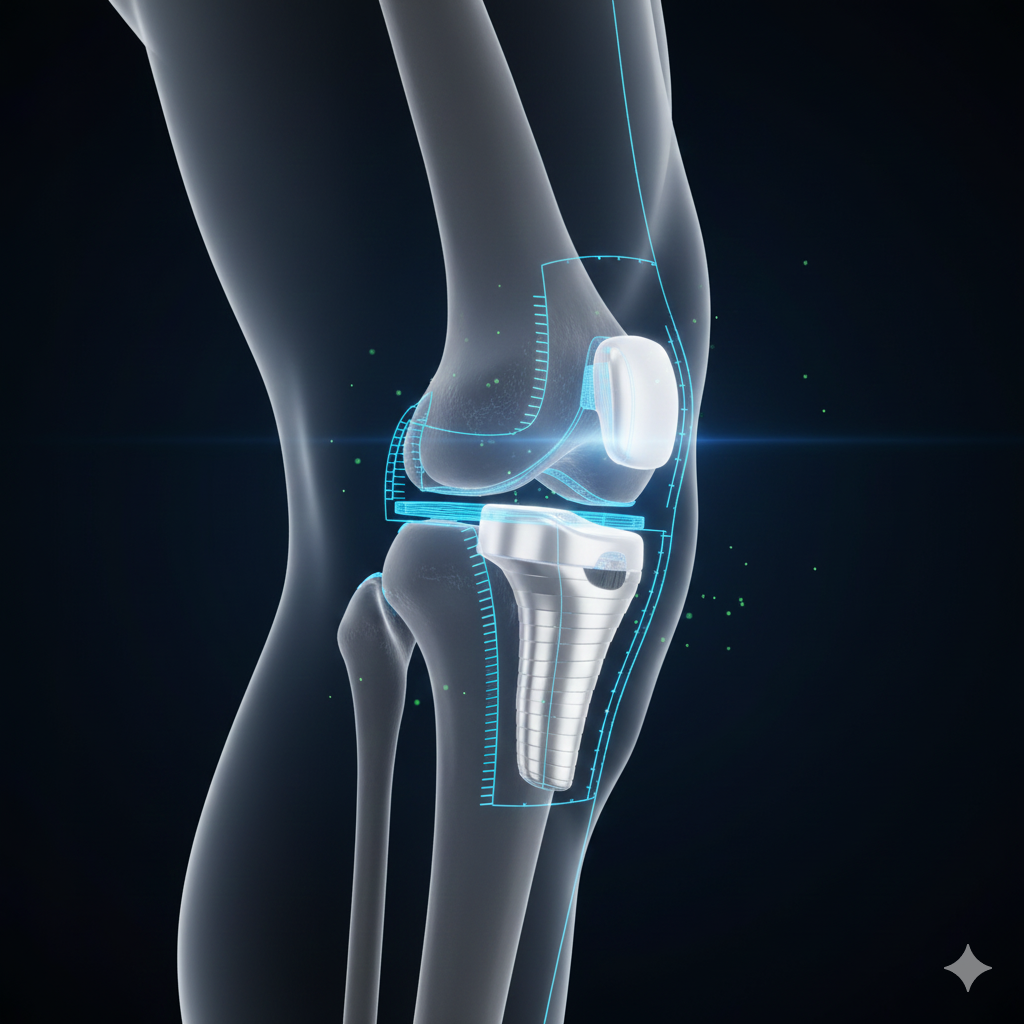
The landscape of orthopedic surgery has shifted dramatically in 2026. If you are struggling with chronic joint pain, you have likely heard about “robotic surgery.” But is it truly a revolutionary leap forward, or just a high-tech marketing trend?
This comprehensive guide explores the reality of robotic-assisted joint replacement, comparing it to traditional methods, analyzing the 2026 recovery timelines, and helping you decide if this advanced technology is the right choice for your mobility.
What is Robotic-Assisted Joint Replacement?
Robotic-assisted surgery is not performed by a robot operating independently. Instead, it is a precision-tool system controlled entirely by a highly skilled surgeon. The system uses advanced software to create a 3D virtual map of your unique anatomy before the first incision is even made.
During the procedure, the robotic arm provides “haptic feedback,” ensuring the surgeon stays within the pre-defined boundaries. This prevents damage to healthy surrounding tissues and allows for the placement of implants with sub-millimeter accuracy.
The 2026 Verdict: Robotic vs. Traditional Surgery

In 2026, data from global registries shows that robotic-assisted procedures now account for over 35% of all joint replacements in urban centers. While traditional manual surgery remains a gold standard for many, the “robotic edge” lies in its ability to eliminate outliers—those rare cases where implant alignment is slightly off.
| Feature | Traditional Manual Surgery | Robotic-Assisted Surgery (2026) |
| Precision | Dependent on surgeon’s eye/experience | AI-guided, sub-millimeter accuracy |
| Bone Preservation | Standard bone removal | Maximum preservation of healthy bone |
| Recovery Time | 4–6 weeks for basic mobility | 2–3 weeks for basic mobility |
| Hospital Stay | 3–5 days | 1–2 days (often “Day-Care” surgery) |
| Natural Feel | High (with expert surgeons) | Superior (due to perfect ligament balancing) |
Key Benefits of Robotic Surgery in 2026
1. Personalized 3D Planning
Every human body is different. In 2026, surgeons use CT-based 3D modeling to “test-drive” your surgery in a virtual environment. This ensures the chosen implant size and position are perfect for your specific bone structure.
2. Better Ligament Balancing
A “successful” knee replacement isn’t just about the bone; it’s about how the ligaments move. Robotic systems provide real-time data on ligament tension, allowing the surgeon to balance the joint perfectly. This leads to a knee that feels more “natural” and less like a mechanical implant.
3. Minimally Invasive & Muscle Sparing
Because the robot limits the surgical tools to a very specific area, there is significantly less trauma to the muscles and tendons. In 2026, “muscle-sparing” approaches are the standard in robotic hip replacements, leading to less post-operative pain.
4. Faster Discharge and “Day-Care” Arthroplasty
One of the biggest trends this year is the rise of same-day joint replacement. Many patients undergoing robotic surgery at specialized centers are walking within hours and returning home the very next day.
Is it Worth the Investment?
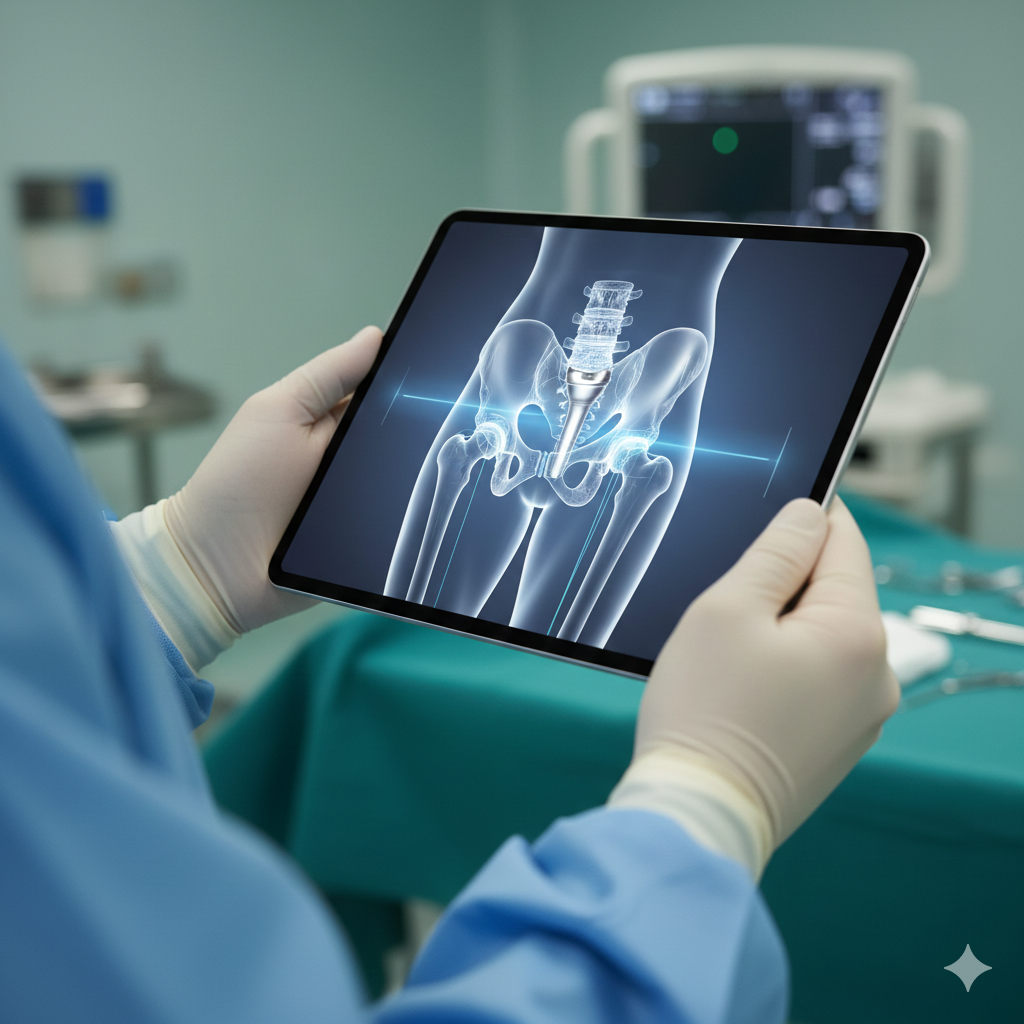
The cost of robotic surgery in India typically ranges from ₹2,10,000 to ₹4,20,000 per joint, depending on the hospital and the complexity of the case. While this is higher than traditional surgery, many patients find the “value” in:
-
Reduced need for long-term physiotherapy.
-
Earlier return to work (saving on lost income).
-
Lower risk of “revision” surgery 15–20 years down the line.
Expert Care in Gurgaon: Dr. Gaurav Arora
If you are considering joint replacement in the Delhi-NCR region, it is vital to consult a specialist who understands both the technology and the patient’s lifestyle needs. Dr. Gaurav Arora is widely recognized as the best orthopaedic doctor in Gurgaon.
As a leading orthopaedic surgeon in Gurugram, Dr. Arora combines 15+ years of experience with advanced training from New York. Whether you are looking for a orthopedic specialist Gurgaon for a complex robotic revision or a primary joint replacement, his evidence-based approach ensures you receive the most precise care possible.
External Authority Resources
Conclusion
Robotic-assisted knee and hip replacement is no longer just “hype”—it is a proven tool that enhances surgical precision and accelerates recovery in 2026. While the skill of the surgeon remains the most important factor, the addition of robotic technology provides an extra layer of safety and customization.
Ready to reclaim your mobility? Don’t let joint pain hold you back from an active life. Consult with a specialist to see if you are a candidate for robotic-assisted surgery.
Book an Appointment with Dr. Gaurav Arora Today