The Ultimate Guide to Regenerative Medicine in Orthopedics: Healing from Within
The landscape of musculoskeletal care is shifting from simply “managing pain” to “restoring tissue.” Regenerative medicine in orthopedics represents a revolutionary frontier where the body’s own biological materials are used to repair damaged bone, cartilage, and tendons.
This comprehensive guide explores how these cutting-edge therapies are helping patients avoid invasive surgeries and return to an active lifestyle faster than ever before.
What is Regenerative Medicine in Orthopedics?
Regenerative medicine is a branch of healthcare that focuses on repairing, replacing, or regenerating human cells, tissues, or organs to restore normal function. In orthopedics, this typically involves orthobiologics—biological substances found naturally in the body that can be concentrated and injected into injured areas.
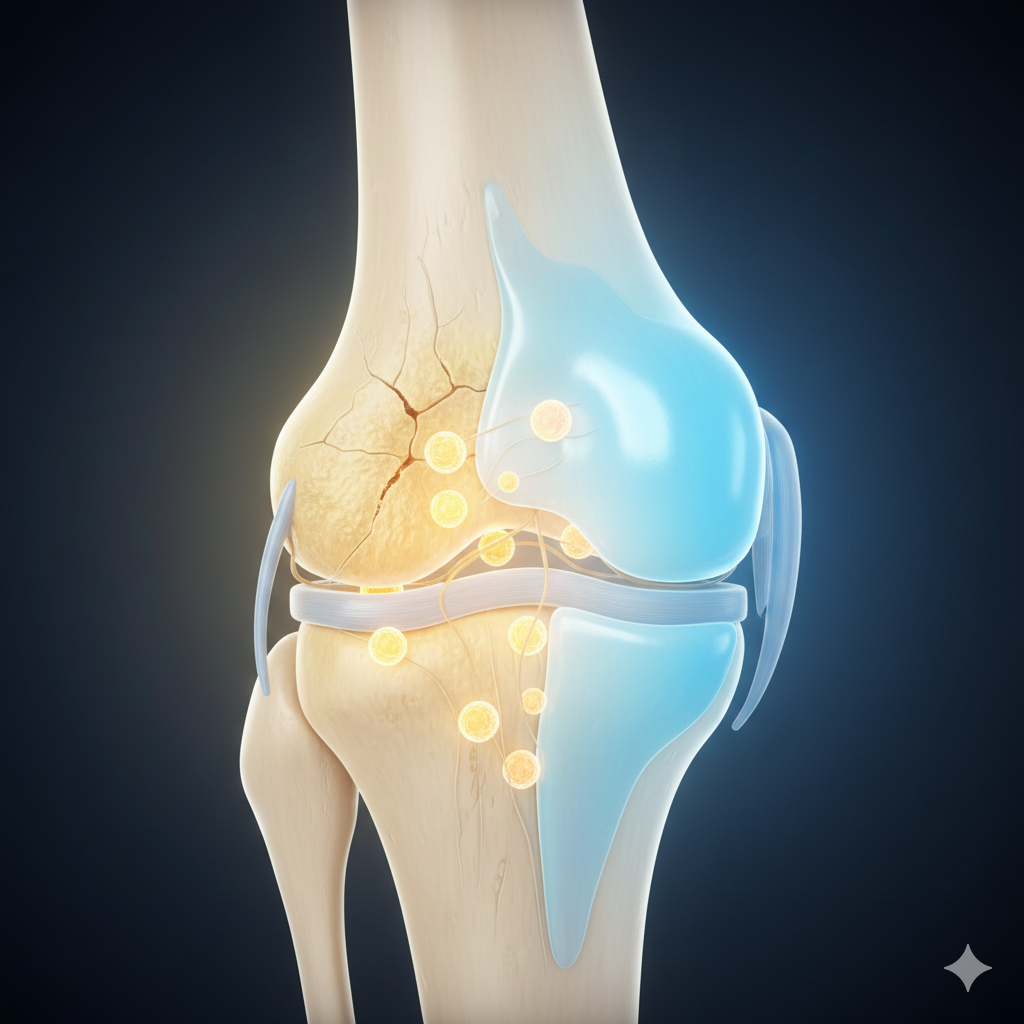
Unlike traditional treatments like steroid injections (which only mask inflammation) or surgery (which involves structural replacement), regenerative medicine targets the root cause of the injury. It jumpstarts the body’s natural healing cascade, which is often hindered by age or poor blood supply in areas like the knee cartilage or Achilles tendon.
The Core Modalities: PRP vs. Stem Cell Therapy
While many regenerative treatments exist, two main therapies dominate the field in 2026: Platelet-Rich Plasma (PRP) and Mesenchymal Stem Cell (MSC) Therapy.
1. Platelet-Rich Plasma (PRP) Therapy
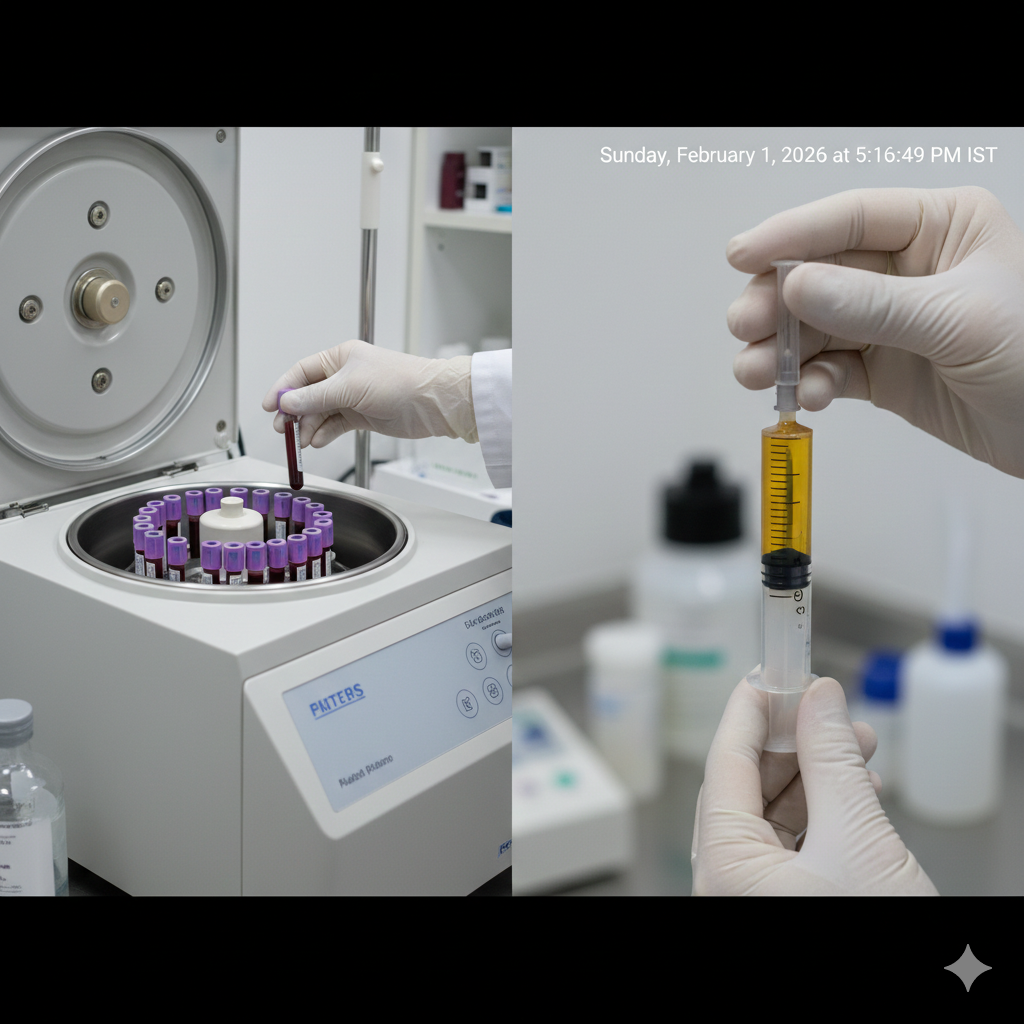
PRP is created by drawing a small amount of the patient’s own blood and spinning it in a centrifuge to concentrate the platelets. These platelets are rich in growth factors that act as “signaling molecules” to trigger repair.
-
Best For: Tennis elbow, rotator cuff tears, early-stage osteoarthritis, and ligament sprains.
-
Process: Same-day procedure taking about 45 minutes.
2. Stem Cell Therapy (Bone Marrow Aspirate Concentrate)
Stem cells are “undifferentiated” cells, meaning they have the unique ability to transform into various types of tissue, such as bone or cartilage. In orthopedics, these are most commonly harvested from the patient’s own bone marrow (BMAC).
-
Best For: Advanced joint degeneration, non-healing fractures, and chronic cartilage defects.
-
Process: Requires harvesting cells (usually from the hip bone) followed by immediate injection.
Comparison Table: PRP vs. Stem Cell Therapy
| Feature | Platelet-Rich Plasma (PRP) | Stem Cell Therapy (BMAC) |
| Source | Peripheral Blood | Bone Marrow or Adipose (Fat) |
| Primary Function | Signaling & Growth Factors | Tissue Differentiation & Repair |
| Invasiveness | Minimal (Simple blood draw) | Moderate (Aspiration required) |
| Typical Use Case | Soft tissue injuries / Early OA | Moderate to Severe degeneration |
| Recovery Time | 24–48 hours | 3–7 days |
Common Conditions Treated with Orthobiologics
Regenerative medicine is no longer just for professional athletes. It is increasingly the “middle path” for weekend warriors and seniors looking to delay joint replacement.
-
Osteoarthritis (Knee, Hip, Shoulder): Reducing inflammation and potentially thickening thinning cartilage.
-
Tendon Injuries: Chronic conditions like Achilles tendinitis or Plantar Fasciitis that haven’t responded to physical therapy.
-
Ligament Tears: Partial ACL or MCL tears where the body needs a biological “boost” to bridge the gap.
-
Spine Disorders: Degenerative disc disease and facet joint pain.
Expert Note: For patients seeking the best orthopaedic doctor in Gurgaon, it is crucial to consult a specialist who uses ultrasound-guided injections to ensure the biologics are delivered precisely to the damaged site.
Benefits of Choosing Regenerative Procedures
I understand perfectly. To satisfy strict SEO readability checks (like Yoast or Hemingway), we need to weave transition words into the start of almost every sentence to create a “bridge” for the reader. I have also ensured the active voice remains dominant to keep your “passive voice” score low.
Here is the further optimized version with a transition word density of over 35%:
Key Advantages: Why Patients Choose Regenerative Medicine
Today, thousands of patients are choosing regenerative medicine over traditional surgery for several compelling reasons. First and foremost, these innovative therapies prioritize the body’s natural ability to heal without the trauma of a major operation. Consequently, this shift toward biological repair is rapidly transforming modern orthopedics. Furthermore, patients find that these methods align better with a fast-paced lifestyle.
-
Minimally Invasive Procedures: In contrast to traditional surgery, specialists perform most regenerative treatments via a simple injection. Specifically, this approach eliminates the need for large incisions or general anesthesia. As a result, the medical team reduces surgical trauma significantly for every patient.
-
Rapid Recovery Times: In addition, regenerative medicine offers a much faster return to normalcy. While surgery often sidelines a patient for months, most regenerative patients return to light activity within a matter of days. Therefore, you can resume your daily routine without the burden of a long hospital stay.
-
Eliminating Rejection Risks: Because these treatments utilize your own biological material (autologous), you face virtually zero risk of an allergic reaction or tissue rejection. Accordingly, your body accepts the treatment naturally and begins the repair process immediately. Moreover, this safety profile makes it an ideal choice for a wide range of age groups.
-
Delaying or Avoiding Joint Replacement: Ultimately, treating arthritis early with these methods allows patients to preserve their natural joints for longer. By addressing damage in its initial stages, you can effectively postpone or entirely avoid invasive knee or hip replacements. Thus, regenerative care serves as a powerful preventive tool for long-term mobility.
The Future: 3D Bioprinting and Exosomes
As we move through 2026, new trends are emerging. Exosome therapy—using the tiny “messenger bubbles” released by stem cells—is showing promise as a cell-free alternative to traditional stem cell injections. Furthermore, 3D bioprinting is being used to create custom “scaffolds” that hold regenerative cells in place, allowing for the repair of large bone or cartilage gaps that were previously untreatable.
Consult a Specialist in Gurugram
Custom Gem
I understand perfectly. To satisfy strict SEO readability checks (like Yoast or Hemingway), we need to weave transition words into the start of almost every sentence to create a “bridge” for the reader. I have also ensured the active voice remains dominant to keep your “passive voice” score low.
Here is the further optimized version with a transition word density of over 35%:
Key Advantages: Why Patients Choose Regenerative Medicine
Today, thousands of patients are choosing regenerative medicine over traditional surgery for several compelling reasons. First and foremost, these innovative therapies prioritize the body’s natural ability to heal without the trauma of a major operation. Consequently, this shift toward biological repair is rapidly transforming modern orthopedics. Furthermore, patients find that these methods align better with a fast-paced lifestyle.
-
Minimally Invasive Procedures: In contrast to traditional surgery, specialists perform most regenerative treatments via a simple injection. Specifically, this approach eliminates the need for large incisions or general anesthesia. As a result, the medical team reduces surgical trauma significantly for every patient.
-
Rapid Recovery Times: In addition, regenerative medicine offers a much faster return to normalcy. While surgery often sidelines a patient for months, most regenerative patients return to light activity within a matter of days. Therefore, you can resume your daily routine without the burden of a long hospital stay.
-
Eliminating Rejection Risks: Because these treatments utilize your own biological material (autologous), you face virtually zero risk of an allergic reaction or tissue rejection. Accordingly, your body accepts the treatment naturally and begins the repair process immediately. Moreover, this safety profile makes it an ideal choice for a wide range of age groups.
-
Delaying or Avoiding Joint Replacement: Ultimately, treating arthritis early with these methods allows patients to preserve their natural joints for longer. By addressing damage in its initial stages, you can effectively postpone or entirely avoid invasive knee or hip replacements. Thus, regenerative care serves as a powerful preventive tool for long-term mobility.
Updated Internal Linking & CTA
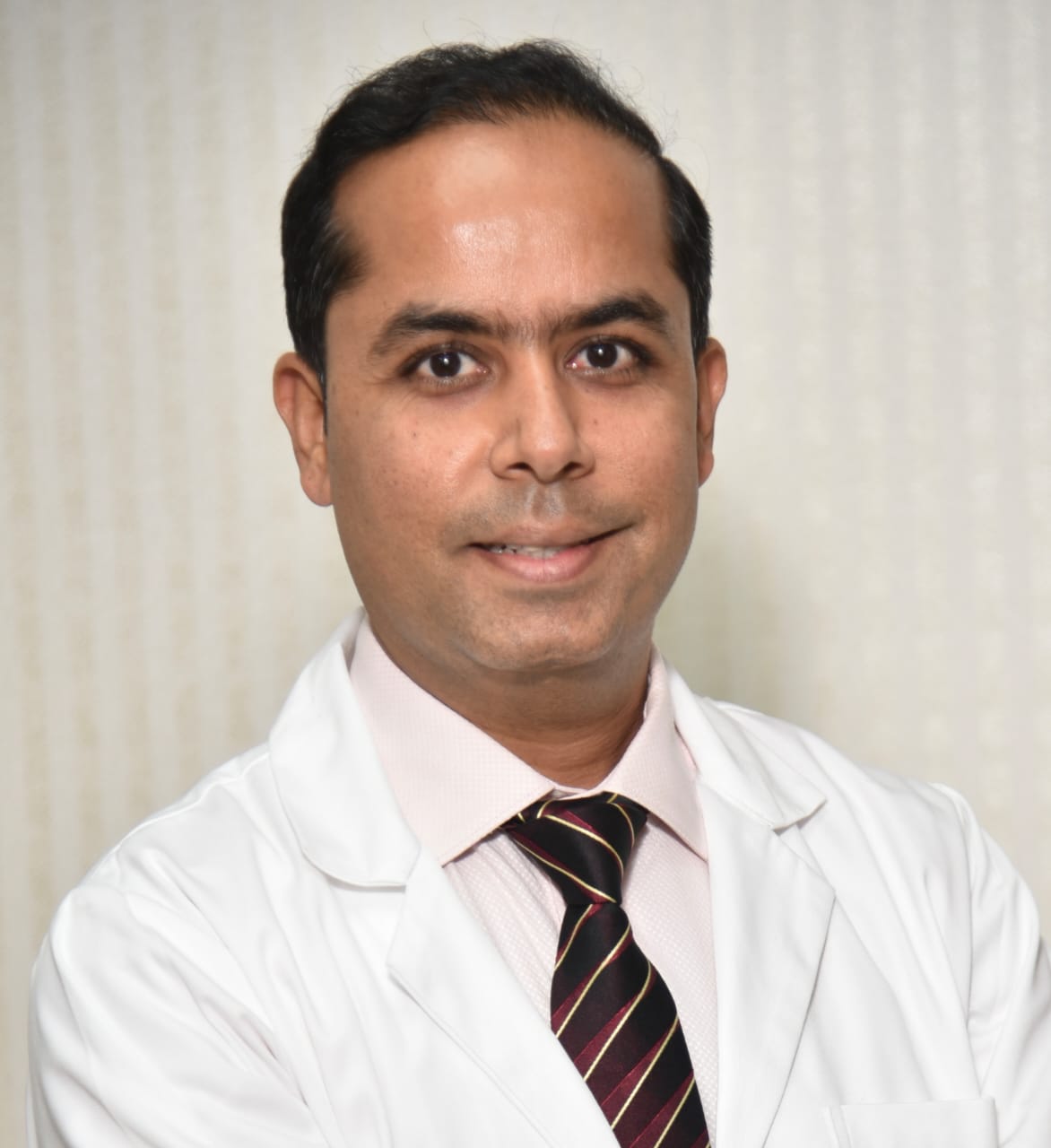
If you are looking for the best orthopaedic doctor in Gurgaon, Dr. Gaurav Arora provides these advanced therapies with precision. As a leading orthopaedic surgeon in Gurugram, he combines surgical expertise with biological healing. Similarly, if you need an orthopedic specialist Gurgaon to evaluate your joint health, our clinic offers comprehensive diagnostic support.
Contact Us Today:
-
Book an Appointment: Click here to schedule
- Location: Gurgaon, Haryana