Understanding Knee and Shoulder Arthroscopy: The Precision of Minimally Invasive Joint Surgery
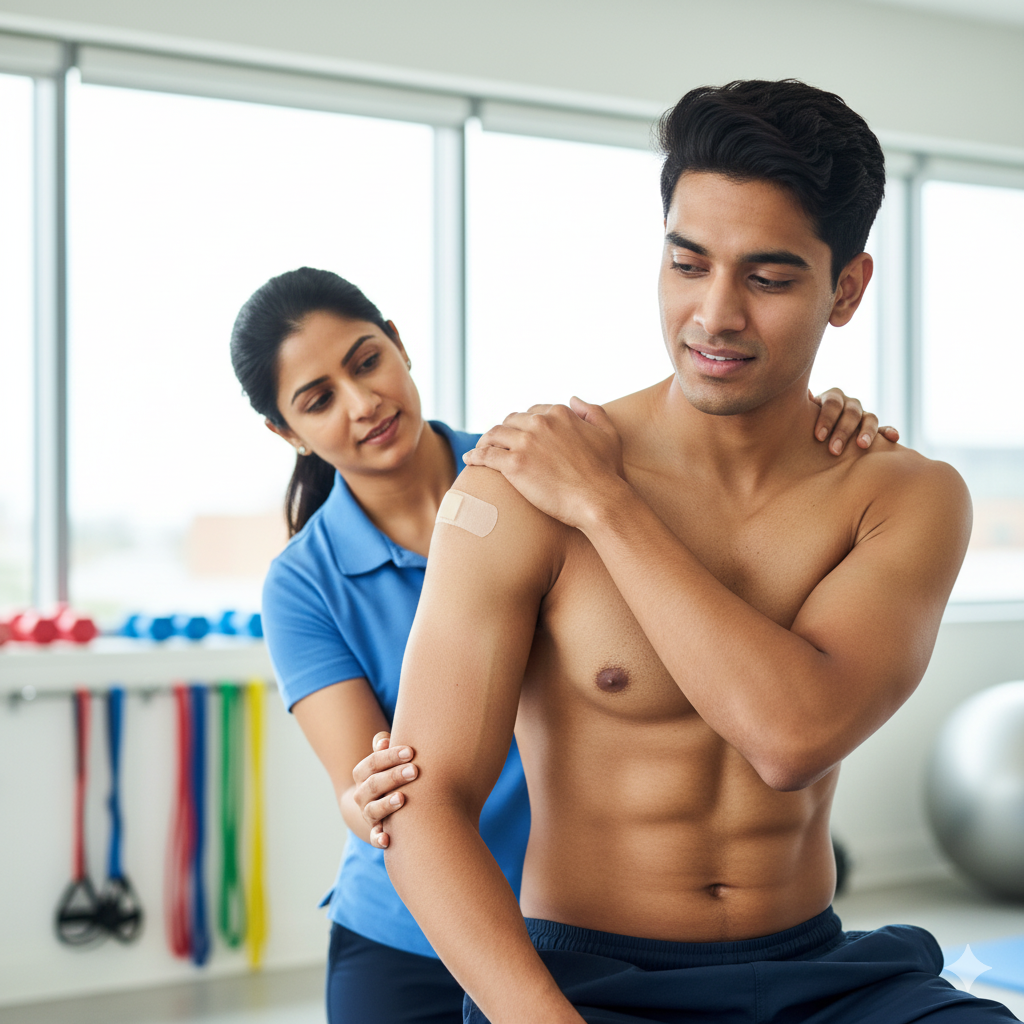
Joint pain and injury can severely limit your quality of life, making even simple daily activities a challenge. However, when non-surgical treatments are no longer effective for knee or shoulder issues, a highly advanced and minimally invasive surgical procedure known as arthroscopy may be recommended. In many cases, this procedure helps patients regain mobility and return to their normal routines more quickly.
During arthroscopy, orthopaedic surgeons use specialized instruments and a small camera to look inside the joint and treat the problem with precision. As a result, the procedure often leads to less pain, smaller scars, and a faster recovery compared to traditional open surgery. Moreover, patients experience reduced hospital stays and can resume light activities much sooner.
In addition, arthroscopy provides a clearer view of the joint structures, allowing surgeons to diagnose complex issues that may not appear in imaging scans. Consequently, it has become one of the most preferred methods for treating joint problems. Therefore, individuals suffering from persistent knee or shoulder pain can greatly benefit from consulting an experienced specialist.
This comprehensive guide explains everything you need to know about Knee and Shoulder Arthroscopy—from the procedure itself and the conditions it treats to the road to recovery. Under the expert care of Dr. Gaurav Arora, the best orthopaedic doctor in Gurgaon, patients can expect personalized treatment and long-term relief from joint pain.
What is Arthroscopy? A Minimally Invasive Approach to Joint Health
Arthroscopy comes from two Greek words: ‘arthro’ (joint) and ‘skopein’ (to look). It is a surgical technique used by orthopaedic surgeons to visualize, diagnose, and treat problems inside a joint. The surgeon makes a tiny incision—often less than half an inch—and inserts a pencil-sized instrument called an arthroscope. This instrument contains a small lens and light system that transmits magnified images of the joint’s internal structures onto a video monitor.
Key Advantages of Arthroscopy:
- Minimally Invasive: Requires only small “keyhole” incisions.
- Reduced Pain and Scarring: Smaller cuts result in less soft tissue damage.
- Faster Recovery: Patients typically return to normal activities sooner than with traditional surgery.
- Enhanced Precision: The magnified view provides a clearer, more detailed look inside the joint.
This technology has revolutionized the treatment of joint injuries, particularly in high-mobility joints like the knee and shoulder. For expert care, seeking an experienced orthopaedic surgeon in Gurugram who specializes in these minimally invasive techniques is crucial for the best outcomes.
Knee Arthroscopy: Restoring Function and Mobility
Knee arthroscopy is one of the most common orthopaedic procedures performed today. It is a highly effective way to address a wide variety of painful conditions that affect the knee joint.
Common Knee Conditions Treated with Arthroscopy:
The Knee Arthroscopy Procedure in Detail
-
Preparation:
The surgeon positions the patient and administers anesthesia—usually regional, but sometimes general. After that, the team sterilizes the knee and covers it with sterile drapes to maintain a clean surgical field. -
Incisions:
The surgeon creates two or three small incisions (called portals) around the knee joint. -
Visualization:
Next, the team pumps a saline solution into the joint to gently expand it. This step allows the surgeon to see the structures clearly. The surgeon then inserts the arthroscope through one incision, which projects a real-time internal view onto a monitor. -
Repair:
Using miniature instruments through the other incisions, the surgeon repairs the damaged tissue—suturing a torn meniscus or reconstructing the ACL as needed. -
Closure:
Once the repair is complete, the surgeon drains the fluid and closes the small incisions with sutures or sterile strips.A trusted orthopedic specialist in Gurgaon, Dr. Gaurav Arora, can assess your knee injury and recommend the most suitable arthroscopic repair. He focuses on preserving joint function and ensuring long-term stability for every patient.
Shoulder Arthroscopy: Fixing Instability and Rotator Cuff Tears
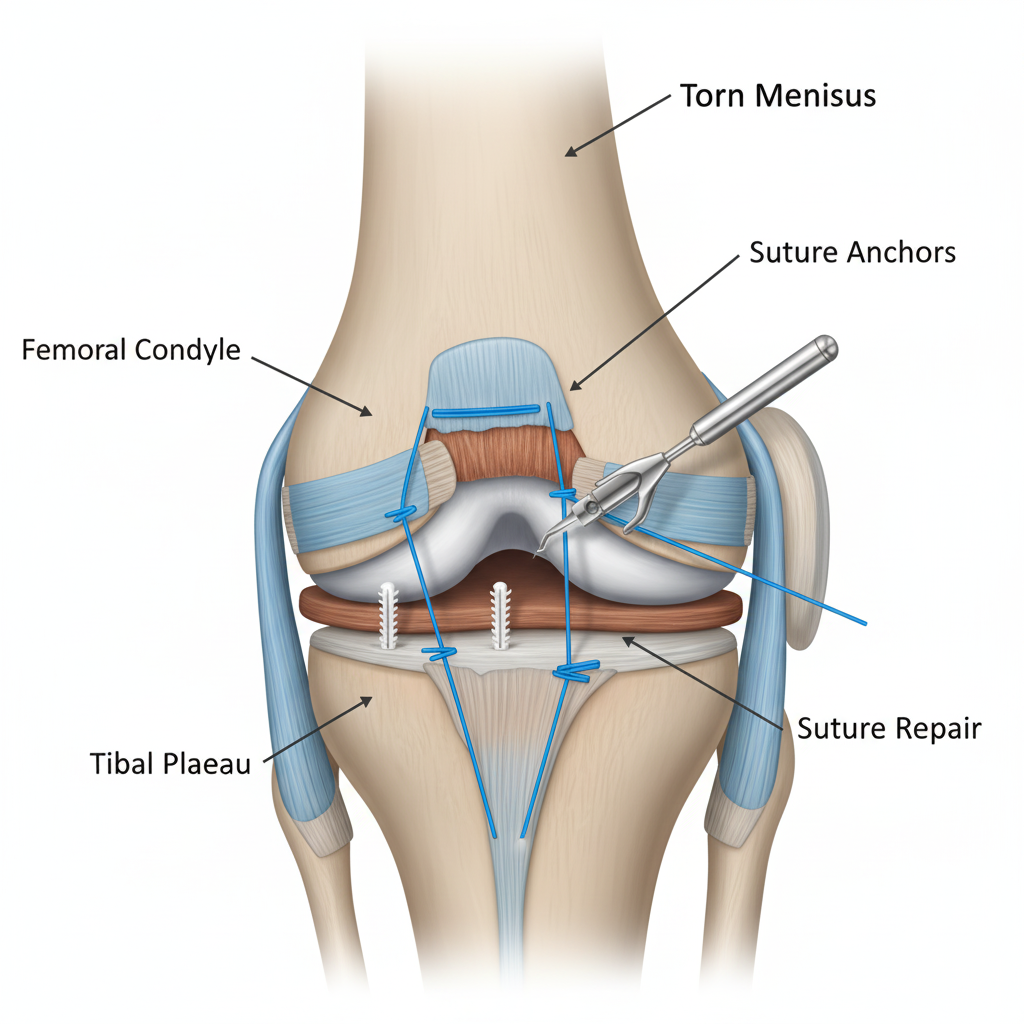
The shoulder is the body’s most mobile joint, making it susceptible to instability, soft tissue damage, and tendon tears. Shoulder arthroscopy is a preferred method for repairing these complex injuries with minimal disruption to the surrounding muscle tissue.
Leading Shoulder Conditions Treated with Arthroscopy:
- Rotator Cuff Repair: Tears in the group of tendons and muscles that surround the shoulder joint. This is one of the most common indications.
- Shoulder Instability (Labral Repair/Bankart Repair): Tears in the labrum (the cartilage rim of the shoulder socket), often due to dislocation.
- SLAP Lesion Repair: A tear of the superior labrum, often extending into the biceps tendon.
- Impingement Syndrome (Decompression): Removing inflamed bursa or bone spurs (acromioplasty) to create more space for the rotator cuff tendons.
- Frozen Shoulder (Capsular Release): Releasing the tight capsule tissue to restore range of motion.
- AC Joint Debridement: Treating arthritis or damage in the acromioclavicular (AC) joint.
The Shoulder Arthroscopy Procedure
Similar to knee arthroscopy, the procedure is carried out through tiny incisions. The patient is typically placed in a “beach chair” position (semi-seated) or lying on their side. The surgeon uses the arthroscope to examine the ball and socket, the surrounding ligaments, and the rotator cuff tendons. Specialized tools are used to suture torn tendons back to the bone using anchors, repair the labrum, or remove damaged tissue.
Choosing the best orthopaedic doctor in Gurgaon for shoulder issues ensures the complex biomechanics of the joint are fully understood and addressed, which is critical for restoring full, pain-free motion.
The Road to Recovery: Post-Arthroscopy Rehabilitation
While arthroscopy is minimally invasive, recovery requires commitment to a structured rehabilitation program. The speed and quality of your recovery are directly related to the complexity of the procedure performed and your dedication to physical therapy.
Phases of Recovery:
- Immediate Post-Op (Days 1–7): Focus on pain management, controlling swelling (R.I.C.E. – Rest, Ice, Compression, Elevation), and protecting the repair. Crutches may be used for knee surgery; a sling is often mandatory for shoulder surgery.
- Early Rehabilitation (Weeks 1–6): The initial focus of physical therapy is on restoring passive range of motion (movements performed by the therapist) and gentle isometric exercises to prevent muscle atrophy.
- Intermediate Rehabilitation (Weeks 6–12): Active range of motion is introduced, followed by light strengthening exercises. The focus shifts to regaining normal movement patterns.
- Advanced Rehabilitation (Months 3+): This phase involves progressive strengthening, endurance training, and sport-specific activities to prepare for a full return to daily life, work, or sports.
Important Recovery Guidelines:
- Physical Therapy (PT) is Non-Negotiable: PT is arguably the most vital step after the surgery itself. It ensures the joint heals correctly and regains full strength and flexibility.
- Listen to Your Surgeon and Therapist: Do not rush the process. Pushing too hard, too soon, can compromise the surgical repair (e.g., re-tearing a rotator cuff or ACL graft).
- Incision Care: Keep the small incisions clean and dry. Report any signs of infection (excessive redness, warmth, or drainage) to your surgeon immediately.
Under the expert guidance of an orthopaedic specialist Gurgaon like Dr. Gaurav Arora, you will receive a personalized post-operative plan tailored to your specific arthroscopic procedure and lifestyle goals.

Why Choose Dr. Gaurav Arora for Your Arthroscopy Procedure?
For joint pain and injury, the expertise of your orthopaedic specialist is the most critical factor in a successful outcome. Dr. Gaurav Arora is recognized as the best orthopaedic doctor in Gurgaon and an elite orthopaedic surgeon in Gurugram known for his meticulous approach to Knee & Shoulder Arthroscopy.
Dr. Arora’s Commitment to Patient Care:
- Advanced Techniques: Utilizes the latest arthroscopic and minimally invasive surgical methods to maximize joint preservation and healing.
- Comprehensive Diagnosis: Employs state-of-the-art imaging and diagnostic tools to precisely identify the source of joint pain.
- Personalized Care: Provides a tailored treatment pathway, ensuring every patient receives a recovery plan optimized for their specific injury and return-to-activity goals.
If you are suffering from persistent knee or shoulder pain, don’t let it dictate your life. Seeking an opinion from a highly skilled orthopedic specialist Gurgaon is the first step toward regaining mobility and strength.
Conclusion: Take the First Step Towards Joint Freedom
Knee and shoulder arthroscopy offers a pathway back to an active life by providing precise, minimally invasive repair of complex joint issues. Whether you are dealing with a debilitating ACL tear, a persistent rotator cuff injury, or chronic knee instability, modern arthroscopic techniques provide effective and rapid solutions.
If you are considering joint surgery, or if your conservative treatments have failed, it is time to consult an expert. Book an appointment with Dr. Gaurav Arora, the best orthopaedic doctor in Gurgaon, today to discuss whether Knee & Shoulder Arthroscopy is the right choice for you. Reclaim your mobility and live pain-free.