
Understanding Knee Replacement Surgery: A Comprehensive Guide
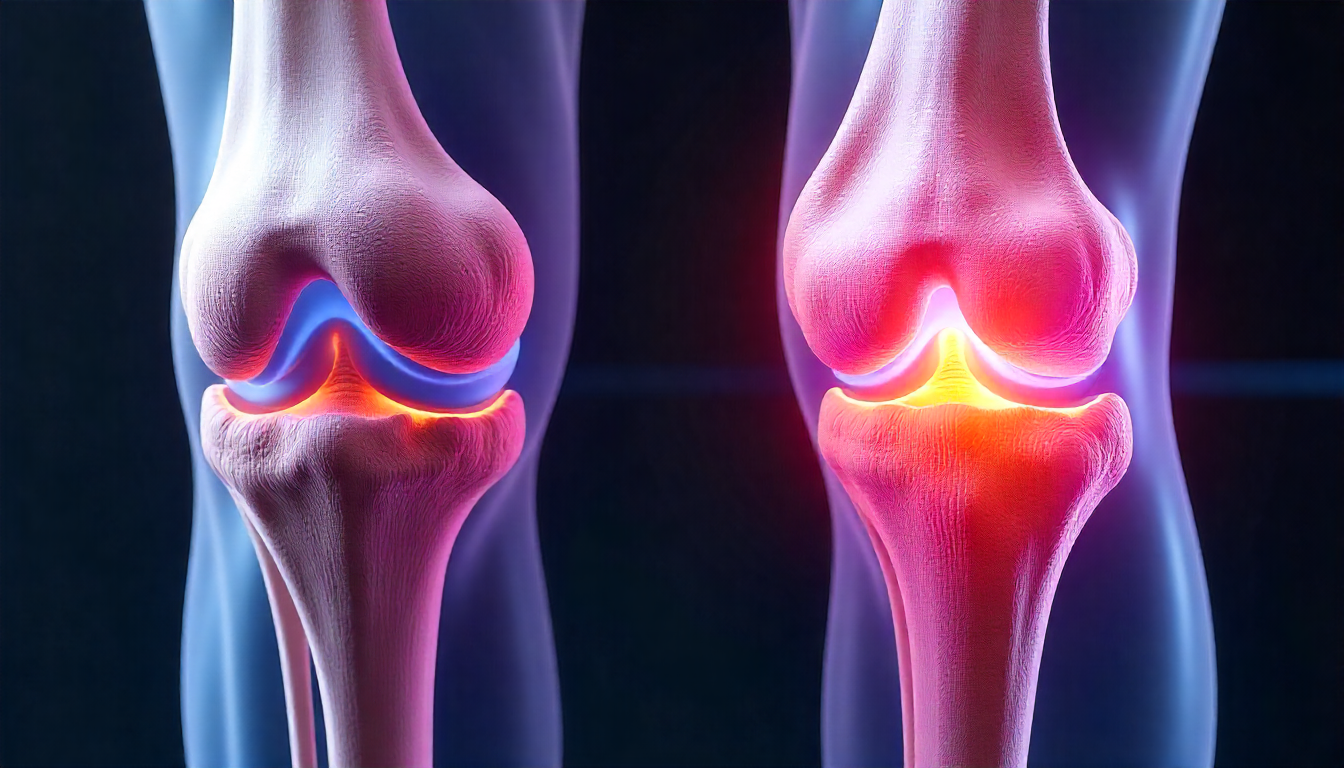
Knee replacement surgery, also known as knee arthroplasty, is a highly effective procedure to relieve severe knee pain and restore function in a damaged knee joint. This surgery is often recommended for individuals suffering from conditions like osteoarthritis, rheumatoid arthritis, or post-traumatic arthritis, where conservative treatments are no longer providing relief. The procedure involves replacing the damaged cartilage and bone of the knee joint with artificial components made of metal and plastic. This comprehensive guide will walk you through everything you need to know about knee replacement, from the signs you might need it to the recovery process.
Who is a Candidate for Knee Replacement Surgery?
Deciding on knee replacement is a significant step. It is typically considered when severe knee pain limits daily activities, such as walking, climbing stairs, or even sitting. A patient is usually a candidate if they have tried non-surgical treatments like medication, physical therapy, and injections without success. The decision is made in consultation with a specialized orthopaedic doctor who will evaluate the extent of the knee damage through physical examination and imaging tests like X-rays. A thorough discussion about your health, lifestyle, and expectations is crucial to determine if this surgery is the right choice for you.
The Different Types of Knee Replacement Procedures
Not all knee replacements are the same. The type of procedure depends on the specific condition of your knee.
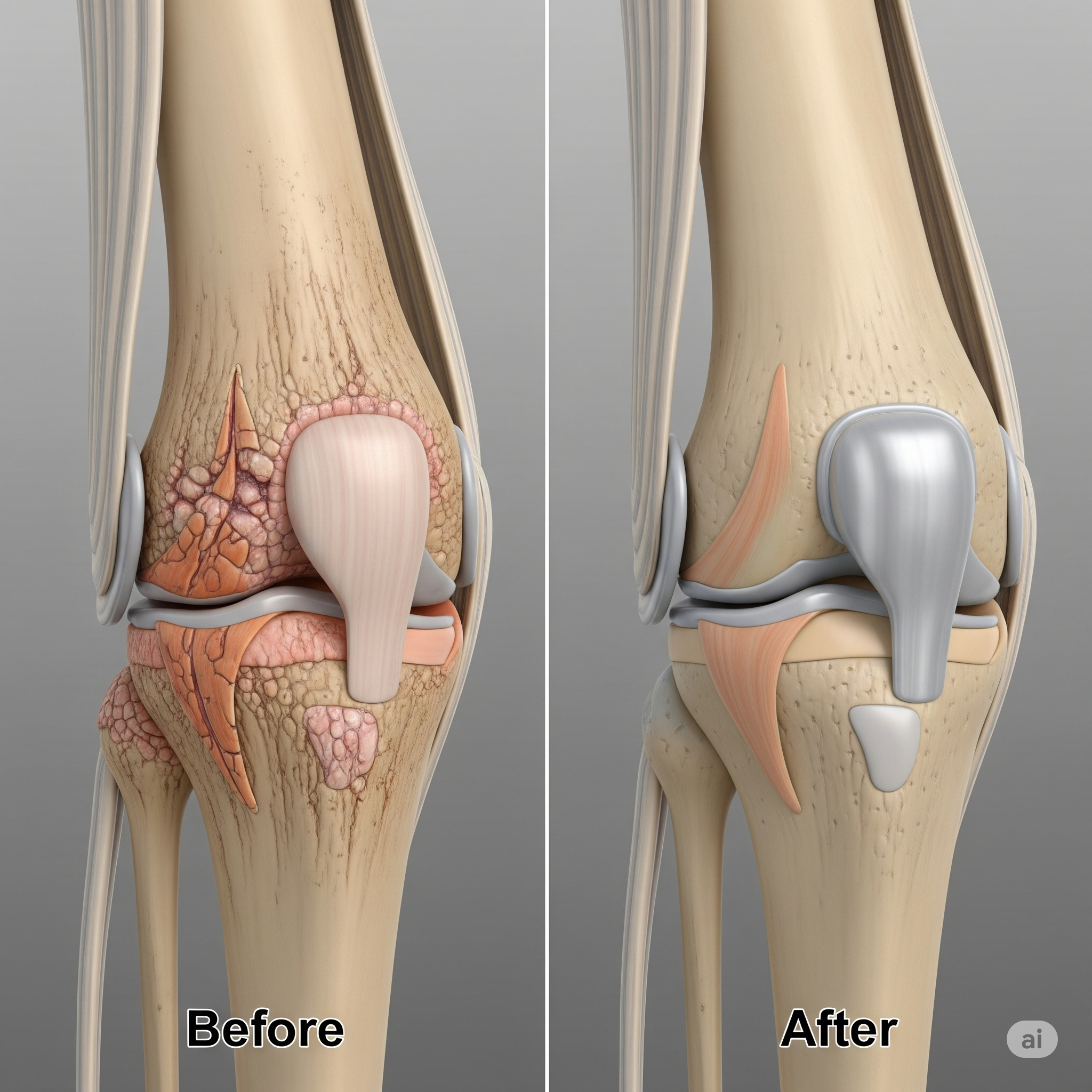
- Total Knee Replacement (TKR): This is the most common type. It involves replacing the entire joint—the lower end of the thigh bone (femur), the upper end of the shin bone (tibia), and often the kneecap (patella)—with artificial components.
- Partial Knee Replacement (PKR): Also known as unicompartmental knee replacement, this procedure is suitable when only one part of the knee joint is damaged. It is a less invasive surgery, preserving more of the natural knee joint and often leading to a faster recovery.
- Complex or Revision Knee Replacement: This is performed for patients who have had a prior knee replacement that has failed due to infection, loosening, or wear. It is a more complicated surgery requiring specialized implants and techniques.
A top orthopaedic specialist in Gurgaon, such as Dr. Gaurav Arora, can help you determine which type of knee replacement is best suited for your specific needs. He is a renowned orthopaedic surgeon in Gurugram who specializes in a wide range of knee and joint procedures.
Preparing for Your Surgery
Proper preparation is key to a successful outcome. Your doctor will provide detailed instructions, which may include:
- Pre-operative Evaluation: This involves a physical exam, blood tests, and an EKG to ensure you are healthy enough for surgery.
- Medication Review: You may need to stop taking certain medications, like blood thinners, a week or two before the surgery.
- Lifestyle Adjustments: Quitting smoking and moderating alcohol consumption can significantly improve healing and reduce complication risks.
- Home Preparation: Make your home safe and accessible. This includes arranging for assistance, removing tripping hazards, and setting up a recovery area on the ground floor.
What to Expect During the Procedure
Knee replacement surgery typically takes 1 to 2 hours. You will receive either general anesthesia (you are asleep) or a spinal anesthetic (you are awake but numb from the waist down). The surgeon makes an incision at the front of the knee to access the joint. The damaged bone and cartilage are carefully removed, and the new metal and plastic components are precisely fitted and cemented into place. Once the implants are secured, the surgeon closes the incision.
The Recovery and Rehabilitation Process
Recovery from knee replacement surgery is a journey that begins immediately after the operation and can take several months.
- Hospital Stay: You will typically stay in the hospital for a few days. During this time, physical therapy will begin almost immediately to help you start moving your new knee.
- Physical Therapy (PT): PT is the cornerstone of a successful recovery. It helps to regain strength, flexibility, and range of motion. You will learn specific exercises to do at home. Regular sessions with a physical therapist are crucial to ensure proper healing and function.
- Pain Management: Your doctor will prescribe medication to manage post-operative pain. It is important to follow the schedule to keep pain at a manageable level, which aids in rehabilitation.
- Long-Term Recovery: Full recovery can take up to a year. Activities like swimming, cycling, and walking are excellent for long-term joint health. High-impact sports should be avoided.
Potential Risks and Complications

While knee replacement is a highly successful procedure, like any surgery, it carries some risks. These are rare but can include:
- Infection
- Blood clots in the leg (DVT) or lung (pulmonary embolism)
- Stiffness or instability of the joint
- Nerve or blood vessel damage
- Loosening or wear of the implant over time
Your surgeon will discuss all potential risks with you in detail. The benefits of the surgery, in most cases, far outweigh these potential complications. According to the Mayo Clinic, a significant majority of patients report a dramatic reduction in pain and a major improvement in their ability to perform daily activities.
When to Seek Professional Medical Advice
If you are experiencing chronic knee pain that interferes with your daily life, it is essential to consult with a medical professional. Even if you are not ready for surgery, an orthopedic specialist can provide an accurate diagnosis and recommend a range of treatment options. A consultation with a best orthopaedic doctor in Gurgaon, like Dr. Gaurav Arora, can provide you with the information you need to make an informed decision about your knee health.
Table: Comparison of Total vs. Partial Knee Replacement
Conclusion

Knee replacement surgery can be a life-changing procedure, offering a path to a more active and pain-free life. While the recovery process requires commitment, the results are often transformative. If chronic knee pain is holding you back, take the first step towards a better quality of life. Schedule a consultation with an expert to discuss your options.