

Joint pain in young adults is becoming increasingly common today. Many people in their 20s and 30s experience stiffness, discomfort, or even chronic pain in joints. While joint issues were once associated with ageing, lifestyle changes, poor posture, and nutritional deficiencies have changed this pattern.
If you are experiencing persistent joint discomfort, it is important to understand the underlying cause early. This helps prevent long-term damage and improves quality of life.
What is Joint Pain?
Joint pain refers to discomfort, soreness, or inflammation in any joint of the body. Commonly affected joints include:
- Knees
- Shoulders
- Hips
- Wrists
- Ankles
It may be temporary or chronic. In young adults, it is often linked to lifestyle or underlying medical conditions rather than ageing alone.
Causes of Joint Pain in Young Adults
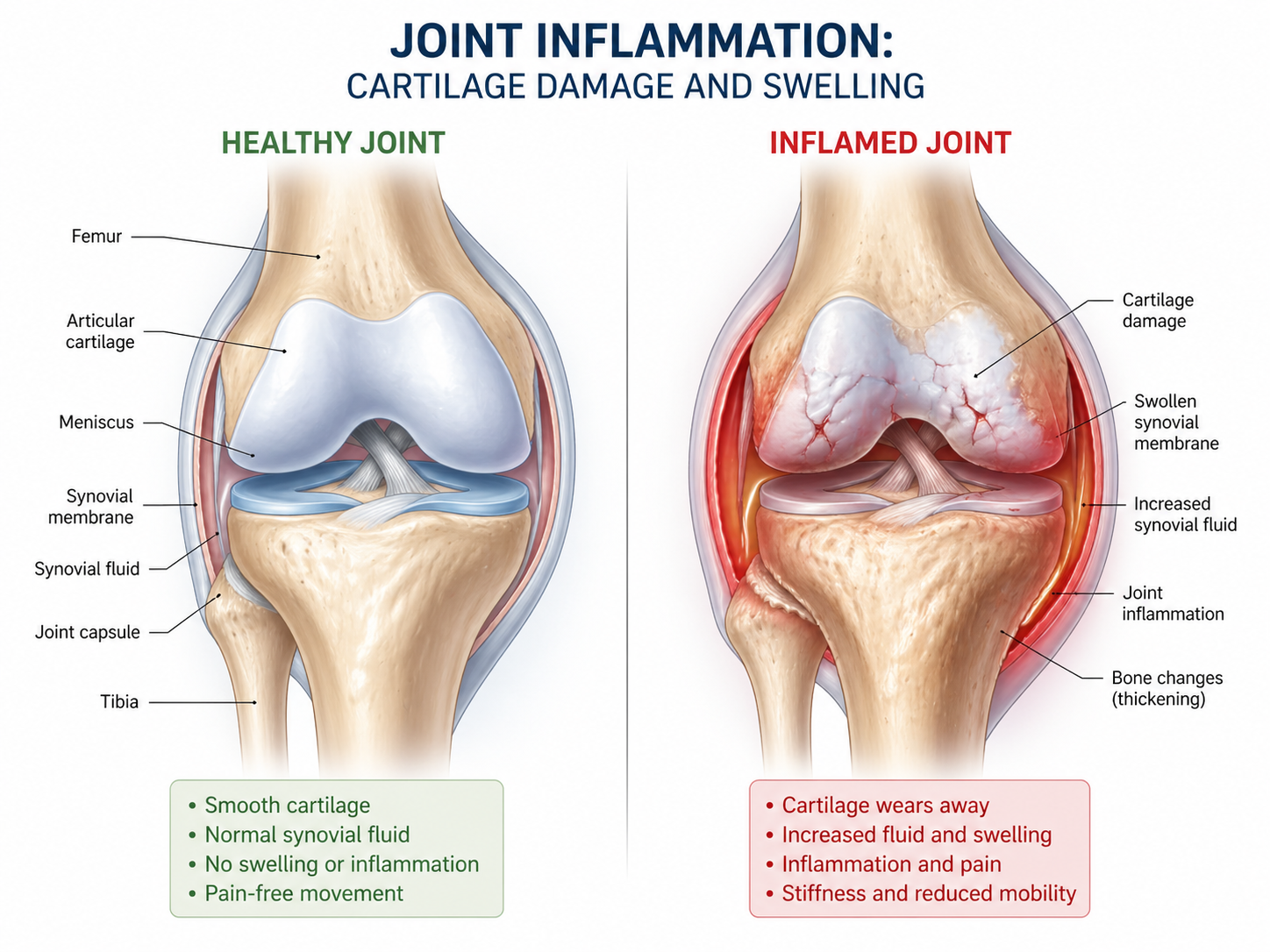
Understanding the causes of joint pain in young adults is essential for proper treatment.
1. Sedentary Lifestyle
Sitting for long hours weakens muscles and reduces joint flexibility. Over time, this leads to stiffness and pain.
2. Poor Posture
Incorrect posture while working or using mobile devices puts stress on joints, especially the neck, back, and shoulders.
3. Sports Injuries
Overuse or improper exercise techniques can damage ligaments and cartilage.
4. Vitamin Deficiencies
Low levels of Vitamin D and calcium weaken bones and joints, making them prone to pain.
5. Early Arthritis
Conditions like osteoarthritis or rheumatoid arthritis can begin early due to genetic or lifestyle factors.
6. Obesity
Excess body weight puts extra pressure on joints, particularly knees and hips.
7. Autoimmune Conditions
Diseases where the immune system attacks joints can cause chronic inflammation and pain.
👉 Learn more about joint health and treatment options at
https://drgauravaroraortho.in/
Symptoms of Joint Pain in Young Adults
Symptoms can vary depending on the cause but often include:
- Persistent or intermittent pain
- Joint stiffness, especially in the morning
- Swelling around joints
- Reduced range of motion
- Clicking or grinding sensation
- Weakness in the affected area
These symptoms may start mild but can worsen over time if ignored.
Warning Signs You Should Not Ignore
Some symptoms indicate a more serious condition. Seek medical attention if you notice:
- Severe or sudden joint pain
- Swelling that does not reduce
- Redness and warmth around the joint
- Pain lasting more than a few weeks
- Difficulty in movement or walking
- Joint deformity
Ignoring these signs may lead to long-term joint damage.
When to See a Doctor
You should consult an orthopaedic specialist if:
- Pain interferes with daily activities
- Home remedies do not provide relief
- Pain keeps coming back
- You experience stiffness every morning
Early diagnosis can prevent complications and reduce the need for surgery.
👉 Book a consultation here:
https://drgauravaroraortho.in/contact/
Diagnosis
Doctors use multiple methods to diagnose joint pain in young adults:
Medical History
Understanding lifestyle, injury history, and symptoms.
Physical Examination
Checking movement, swelling, and tenderness.
Imaging Tests
- X-rays
- MRI scans
Blood Tests
To detect inflammation or autoimmune conditions.
Proper diagnosis helps in choosing the right treatment plan.
Treatment Options
Treatment depends on the underlying cause of joint pain in young adults.
1. Medications
Pain relievers and anti-inflammatory drugs help reduce discomfort.
2. Physiotherapy
Exercises improve strength, flexibility, and joint function.
3. Lifestyle Changes
- Regular movement
- Correct posture
- Balanced diet
4. Supplements
Vitamin D and calcium support bone health.
5. Advanced Treatments
In severe cases:
- Injections
- Minimally invasive procedures
👉 For advanced orthopaedic care, visit
https://drgauravaroraortho.in/services/
For more medical information, refer to trusted sources like the Mayo Clinic.
Prevention Tips
Preventing joint pain in young adults is possible with simple steps:
- Stay physically active
- Maintain a healthy weight
- Follow ergonomic posture
- Stretch regularly
- Eat a nutrient-rich diet
- Avoid overexertion
Consistency is key to long-term joint health.
Conclusion
Joint pain in young adults is no longer rare. However, it should not be ignored. Early understanding of causes, timely diagnosis, and proper treatment can prevent serious complications.
If you are experiencing ongoing joint pain, it is best to consult an orthopaedic specialist. Taking action today can help you maintain an active and pain-free life.
FAQs
1. Why do young adults experience joint pain?
Due to lifestyle factors, poor posture, injuries, and nutritional deficiencies.
2. Can joint pain in young adults be serious?
Yes, it may indicate early arthritis or autoimmune conditions if persistent.
3. Is joint pain reversible?
In many cases, yes—especially with early treatment and lifestyle changes.
4. Which vitamin deficiency causes joint pain?
Vitamin D deficiency is a common cause.
5. When should I worry about joint pain?
If it lasts more than a few weeks or affects daily activities.
6. Can exercise help joint pain?
Yes, proper exercises strengthen muscles and improve joint function.