
Advanced Sports Medicine: The Future of ACL and Meniscus Repairs in 2026
The landscape of sports medicine has shifted dramatically in 2026. For athletes and active individuals, a knee injury is no longer a “career-ender” or a lifelong burden. With the advent of robotic-assisted arthroscopy, biologic augmentation, and personalized recovery protocols, patients are returning to their peak performance faster than ever before. This guide explores how cutting-edge technology is redefining ACL and meniscus repairs, helping you move from injury back to the field with unparalleled precision.
The Evolution of ACL Reconstruction: Precision and Biologics
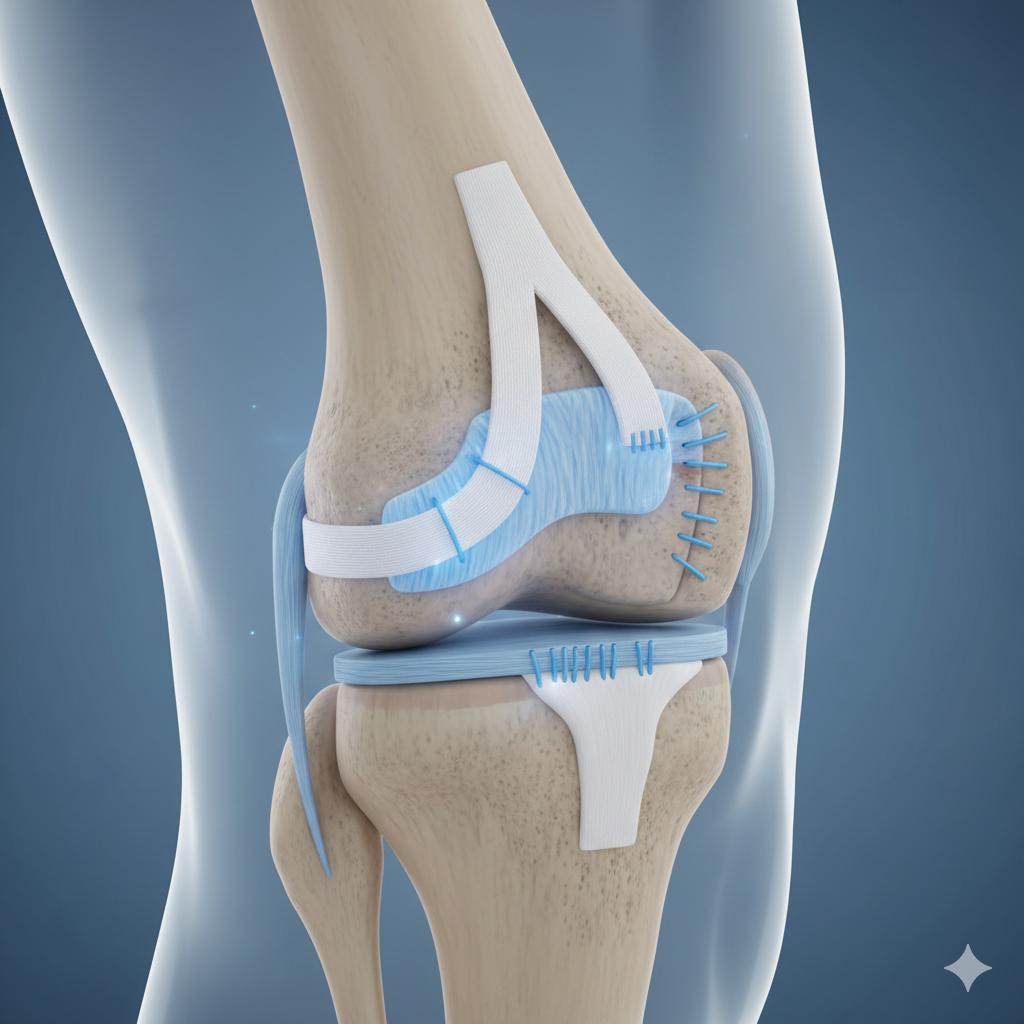
Gone are the days of the “one-size-fits-all” ligament graft. In 2026, Advanced Sports Medicine focuses on anatomic restoration—placing the new ligament exactly where your original one sat to restore natural knee kinematics.
Graft Innovation and Internal Bracing
Modern surgery often utilizes the Quadriceps Tendon graft, which has surpassed the traditional hamstring graft in popularity due to its superior strength and lower risk of post-operative pain. Additionally, the use of Internal Brace Augmentation—a high-strength fiber tape—acts as a “seatbelt” for the new graft. This provides immediate stability, allowing for earlier weight-bearing and reducing the risk of a re-tear during the critical first six months of healing.
Biologic Augmentation (PRP and Stem Cells)
Surgeons are now integrating Regenerative Medicine directly into the operating room. By soaking the ACL graft in Platelet-Rich Plasma (PRP) or concentrated bone marrow aspirate, doctors can accelerate “ligamentization”—the process where the graft transforms into living tissue. This biological boost significantly shortens the recovery timeline.
Meniscus Preservation: Repair Over Removal
In the past, a torn meniscus was often partially removed (meniscectomy), which frequently led to early-onset arthritis. Today, the mantra is “Save the Meniscus.”
Advanced Suture Techniques
New “all-inside” repair devices allow surgeons to fix complex bucket-handle and root tears through tiny incisions without the need for large open cuts. These devices use biocompatible anchors that provide high-tension fixation, ensuring the meniscus heals in its natural position to continue its job as a shock absorber.
Scaffold Technology and Meniscal Allografts
For cases where the meniscus is too damaged to be sutured, 2026 technology offers 3D-printed scaffolds or meniscal allografts (donor tissue). These scaffolds provide a structure for your own cells to grow into, effectively “regrowing” the lost cushion and protecting the joint from long-term wear and tear.
Comparison: Traditional vs. Advanced Sports Medicine (2026)
| Feature | Traditional Approach | Advanced 2026 Approach |
| Surgical Accuracy | Manual placement (Visual) | Robotic/AI-Assisted Navigation |
| Graft Protection | Patient’s own strength only | Internal Suture Bracing |
| Healing Support | Natural body healing | PRP & Biologic Augmentation |
| Rehab Start | 2–4 weeks post-op | Immediate (Day 1) Mobilization |
| Return to Sport | 9–12 Months | 6–8 Months (Data-Driven) |
The Role of Technology in Recovery
The surgery is only half the battle; the “Advanced” in sports medicine also applies to how you recover.
-
Wearable Bio-Sensors: Patients now wear smart sleeves that track knee range of motion and muscle activation in real-time, sending data directly to the doctor’s app.
-
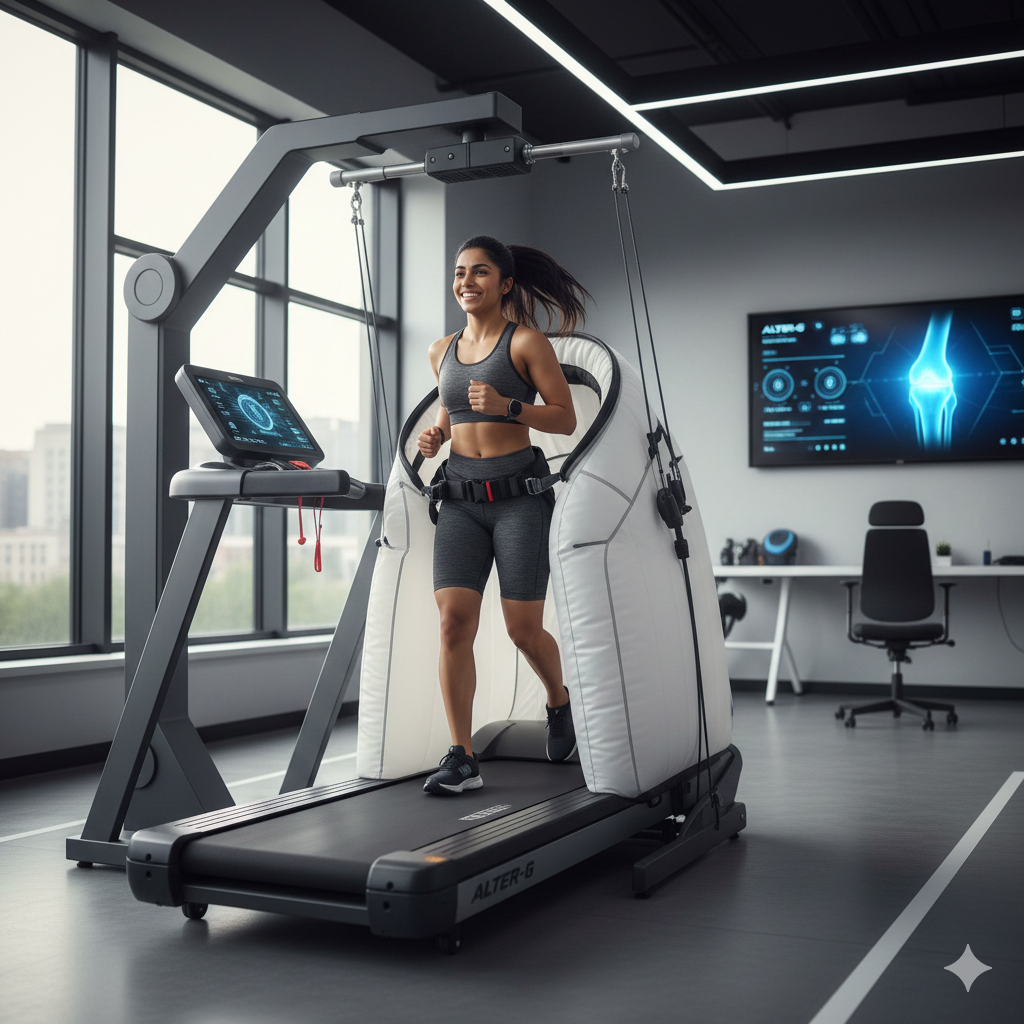
Anti-Gravity Treadmills (Alter-G): These allow athletes to begin running patterns while only bearing 20% of their body weight, maintaining cardiovascular fitness without stressing the repair.
-
Blood Flow Restriction (BFR) Training: This technique allows patients to build massive muscle strength using very light weights, preventing the “quadriceps wasting” typically seen after knee surgery.
Why Expert Consultation Matters – Dr Gaurav Arora
When dealing with complex knee biomechanics, the expertise of the surgeon is the most critical factor. For those seeking the best orthopaedic doctor in Gurgaon, it is essential to consult with a specialist who utilizes these modern, minimally invasive techniques.
If you are an athlete or a fitness enthusiast dealing with a knee injury, consulting a fellowship-trained orthopaedic surgeon in Gurugram like Dr. Gaurav Arora can make the difference between a simple recovery and a return to elite-level activity. As a leading orthopedic specialist Gurgaon, Dr. Arora specializes in joint preservation and advanced arthroscopic repairs tailored to the modern patient’s needs.
For international patients or those with complex multi-ligament injuries, seeking the top neurosurgeon in India or an orthopedic team that collaborates on nerve-related mobility issues is vital. While orthopedics handles the bone and ligament, a best neurosurgeon in India ensures that the neural pathways and motor functions are optimized for peak recovery.
Important Note: Early diagnosis is key. Delaying surgery for a combined ACL and meniscus tear increases the risk of permanent cartilage damage by up to 60% within the first year.
Conclusion
The 2026 approach to sports medicine is not just about fixing a tear; it’s about rebuilding a stronger, more resilient joint using the best of biology and technology. Whether you are a professional athlete or a weekend warrior, you deserve access to the latest advancements in knee care.
Ready to get back in the game?
Don’t let a knee injury sideline you. Book a consultation with a specialist today to discuss robotic-assisted repair and biologic recovery options.