ACL & PCL Reconstruction Surgery: Restoring Knee Stability and Function
Cruciate ligament tears—particularly of the Anterior Cruciate Ligament (ACL) and Posterior Cruciate Ligament (PCL)—are among the most debilitating knee injuries. These ligaments are the core stabilizers of the knee joint, connecting the thigh bone (femur) to the shin bone (tibia). An injury to either ligament can result in significant knee instability, pain, and an inability to perform daily activities, let alone high-demand sports. ACL and PCL reconstruction surgery is a highly effective, specialized orthopedic procedure designed to replace the damaged ligament with a new tissue graft, restoring the crucial stability required for a healthy, active life.
This detailed guide provides a comprehensive overview of both ACL and PCL reconstruction, the advanced surgical techniques utilized, the importance of graft selection, and the critical path to a full recovery.
Understanding Cruciate Ligament Injuries
The knee houses two main cruciate ligaments: the ACL and the PCL. The names describe their crossed arrangement within the knee joint.
- Anterior Cruciate Ligament (ACL): The ACL is the most commonly injured ligament in the knee, particularly in athletes. It prevents the tibia from sliding too far forward beneath the femur and limits rotational motion. ACL tears often occur during sports involving sudden stopping, cutting, pivoting, or jumping.
- Posterior Cruciate Ligament (PCL): The PCL is the stronger and thicker of the two. It prevents the tibia from sliding too far backward beneath the femur. PCL injuries are less frequent than ACL tears and typically result from a direct blow to the front of the knee while bent, such as in a car accident or a fall onto a flexed knee.
What is Cruciate Ligament Reconstruction?
Cruciate ligament reconstruction is a surgical procedure where the torn ligament is removed and replaced with a piece of tissue known as a graft. The goal is to provide a stable framework for new ligament tissue to grow, permanently restoring the mechanical stability of the knee.
Diagnosis and Non-Surgical Treatment Options
Before recommending surgery, an orthopaedic specialist will conduct a thorough evaluation.
Diagnostic Steps Typically Include:
- Clinical Examination: Physical tests, such as the Lachman test for the ACL or the Posterior Drawer test for the PCL, are performed to check the degree of joint laxity or instability.
- Imaging Studies:
- X-rays: Used to rule out fractures.
- Magnetic Resonance Imaging (MRI): The gold standard for visualizing soft tissues, confirming the diagnosis, and assessing damage to other knee structures (meniscus, cartilage).
When is Surgery Recommended?
Surgery is usually recommended if:
- The patient experiences significant knee instability (“giving way”) during daily activities.
- The patient is an athlete or has a job requiring high-demand physical activity.
- The patient has a combined injury (e.g., ACL tear along with a torn meniscus or other ligament damage).
For isolated, lower-grade PCL injuries, non-operative management focusing on physiotherapy and bracing may be the initial approach due to the PCL’s higher potential for healing. However, complete PCL tears or those in combination with other ligament damage almost always require surgery.
Advanced Techniques in ACL and PCL Surgery
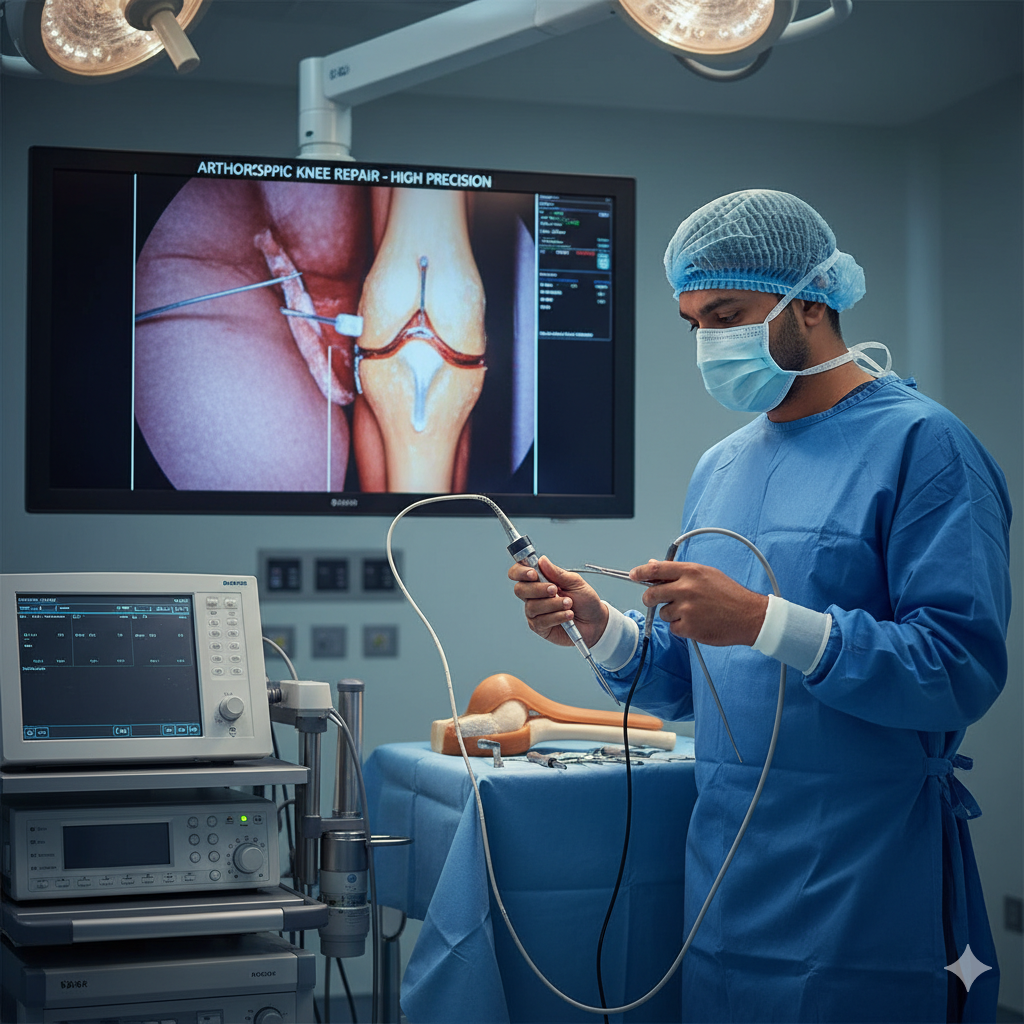
Modern cruciate ligament reconstruction is performed arthroscopically, a minimally invasive approach that significantly reduces pain, scarring, and recovery time compared to traditional open surgery. Arthroscopic surgery involves making a few small incisions around the knee, through which a tiny camera (arthroscope) and specialized instruments are inserted.
Key Surgical Techniques Utilized by Orthopaedic Surgeons like :
The Critical Role of Graft Selection
A key decision in reconstruction surgery is the choice of the graft material used to create the new ligament. The choice is made based on the patient’s age, activity level, graft availability, and the specific ligament being reconstructed.
Common Graft Types (Autograft and Allograft):
- Autograft (Patient’s Own Tissue):
- Hamstring Tendon: Most common choice in India. Involves taking a piece of the hamstring tendon. Pros: Excellent healing potential, low disease transmission risk. Cons: Potential for hamstring weakness at the donor site.
- Patellar Tendon (Bone-Patellar Tendon-Bone or BTB): Uses the middle third of the patellar tendon with bone plugs from the kneecap and shin. Pros: Strong bone-to-bone healing, traditional choice for high-level athletes. Cons: Higher chance of pain or tenderness at the front of the knee (patellofemoral pain).
- Quadriceps Tendon: A newer, increasingly popular option that provides a large, strong graft.
- Allograft (Donor Tissue):
- Tissue from a deceased donor. Pros: No donor-site morbidity (pain/weakness), shorter surgery time. Cons: Slightly higher cost, small risk of disease transmission (though rigorously screened), and slower integration compared to autografts.
An expert orthopaedic surgeon in Gurugram will discuss these options in detail to select the best graft for your specific needs, ensuring the highest chance of successful return to activity.
Post-Operative Rehabilitation: The Key to Success
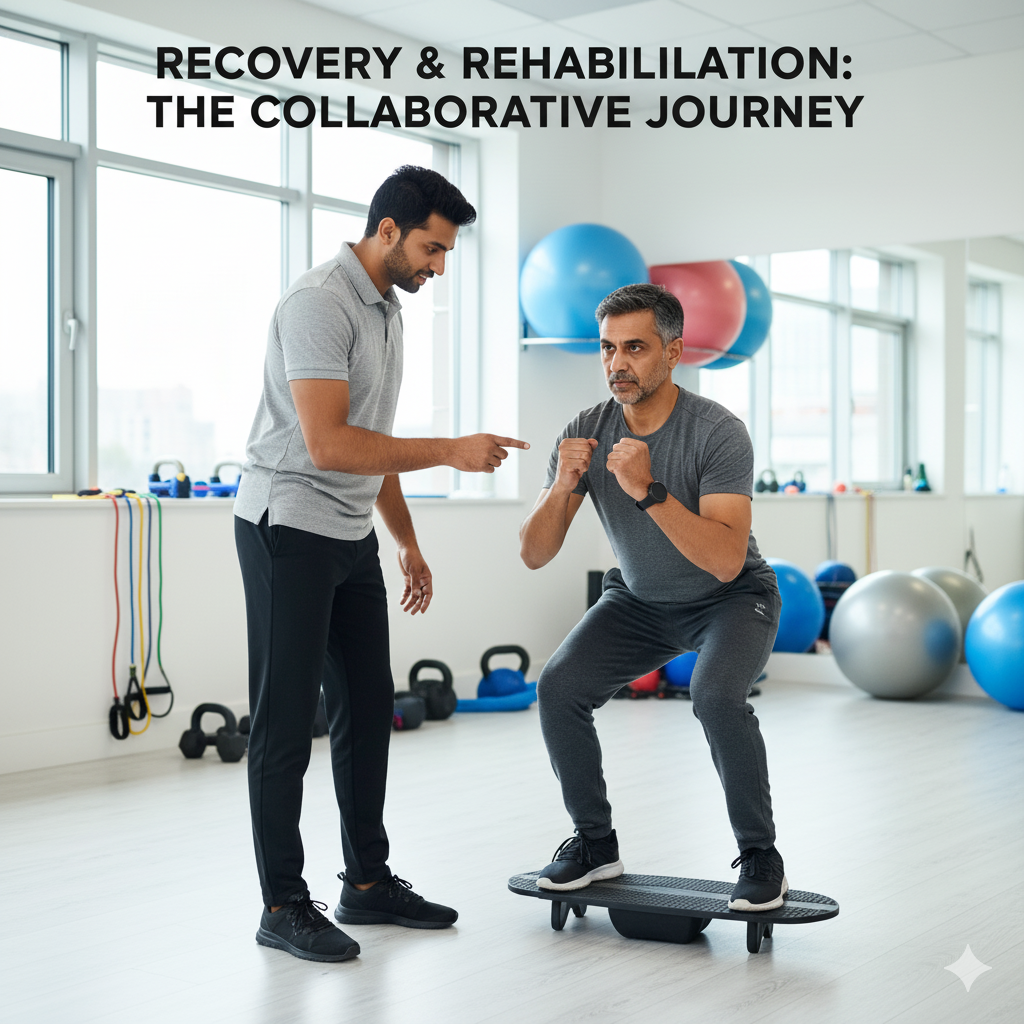
Surgery is only half the journey. The success of ACL and PCL reconstruction is heavily dependent on a disciplined and structured physiotherapy and rehabilitation program. This process can take anywhere from six to nine months, and sometimes longer for a complete return to pivoting sports.
Phases of Rehabilitation:
A specialized orthopaedic specialist Gurgaon will work closely with a physical therapist to customize this protocol, ensuring the new ligament is protected while muscle strength is aggressively rebuilt. Consistent adherence to the program is vital to prevent re-injury and achieve the best long-term outcome.
Choosing Your Orthopaedic Specialist
For a complex procedure like ACL and PCL reconstruction, the expertise of the operating orthopaedic surgeon in Gurugram is paramount. A specialist like Dr. Gaurav Arora brings extensive experience in advanced arthroscopic techniques, ensuring anatomic graft placement and optimal fixation—factors critical for maximizing long-term knee function and stability. Choosing a best orthopaedic doctor in Gurgaon ensures that you receive a customized treatment plan, from the initial diagnosis and graft selection through to a comprehensive, post-operative rehabilitation schedule.
Conclusion
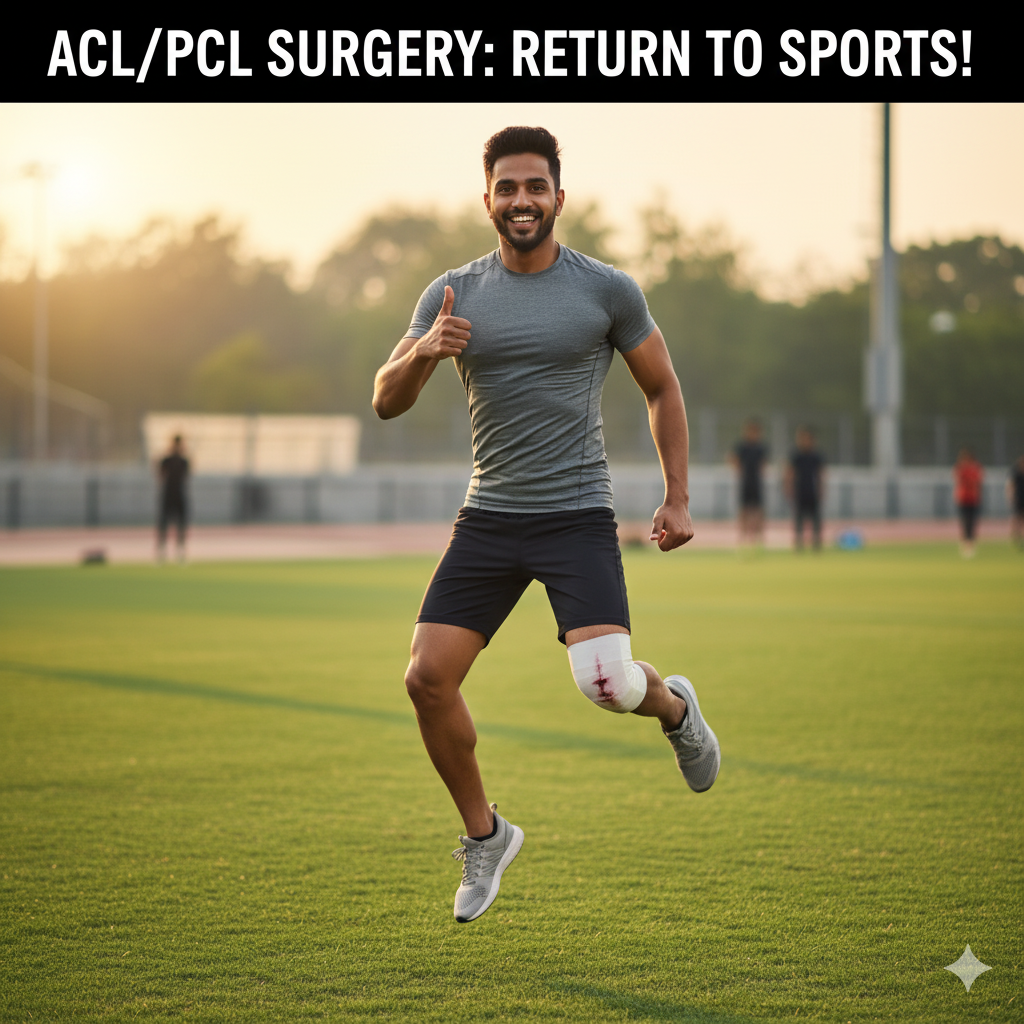
ACL and PCL tears are serious injuries, but modern reconstruction surgery offers an excellent prognosis for restoring knee stability and function. Through minimally invasive arthroscopic techniques, careful graft selection, and a dedicated rehabilitation program, patients can look forward to overcoming instability, eliminating pain, and returning to a high-quality, active lifestyle. If you are experiencing persistent knee instability, pain, or difficulty with physical activities following an injury, it is crucial to seek expert evaluation.
Do not let knee instability limit your life. For an accurate diagnosis and to discuss the most advanced ACL and PCL reconstruction options, book an appointment today with the orthopaedic surgeon in Gurugram and take the first step toward regaining your mobility and strength.