Staying active is one of the best ways to live a healthy lifestyle. However, for athletes, gym-goers, and fitness enthusiasts, the risk of sports injuries is always present. From minor sprains to complex ligament tears, injuries can affect performance and, if not managed properly, lead to long-term complications. This is where sports injury management and rehabilitation comes into play. It focuses on accurate diagnosis, specialized treatment, and structured rehabilitation programs that help individuals recover faster and return to peak performance safely.
In this guide, we will explore the different types of sports injuries, available treatment options, the importance of rehabilitation, and prevention strategies. If you’re looking for the best orthopaedic doctor in Gurgaon to manage your sports injury, you’ll also discover why consulting Dr. Gaurav Arora is the right step toward recovery.
Understanding Sports Injuries
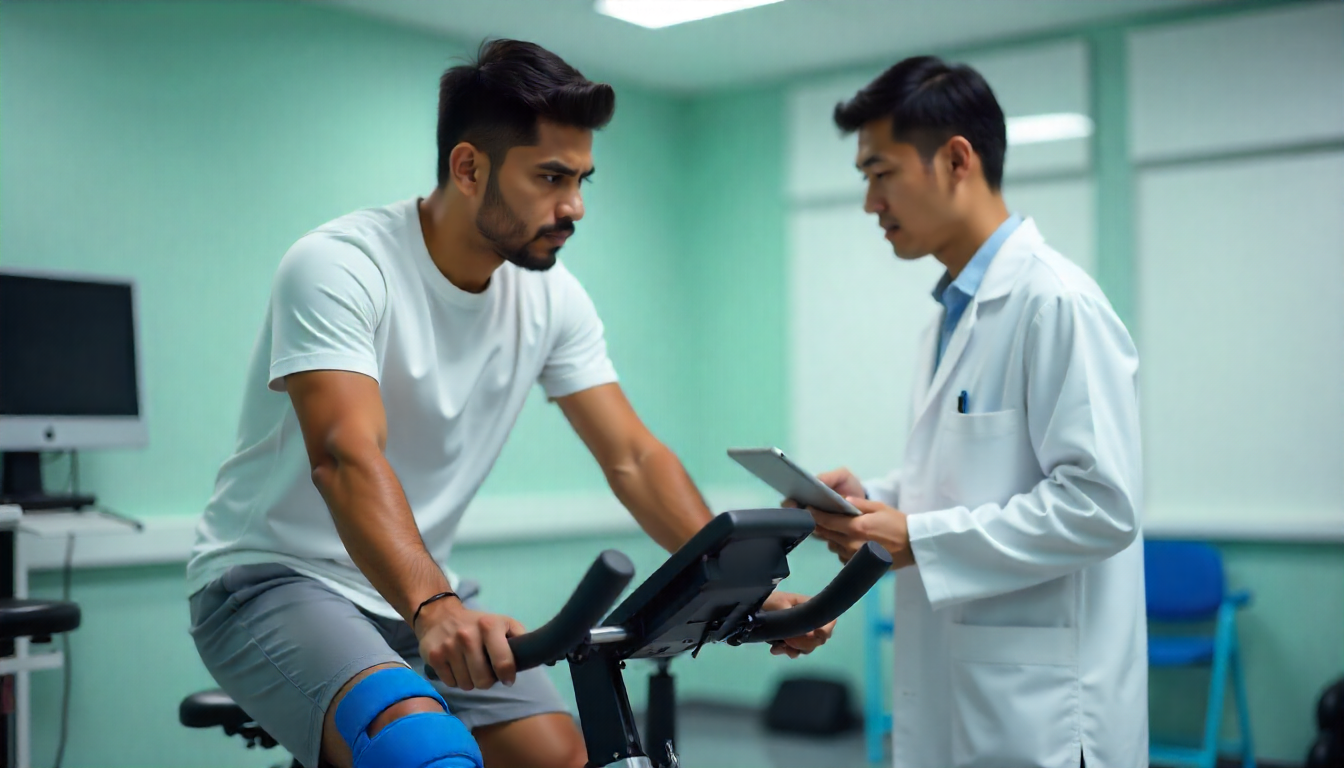
Sports injuries occur when muscles, ligaments, tendons, or bones are stressed beyond their limit during physical activity. They can result from overuse, sudden impact, poor posture, or lack of conditioning.
Some injuries heal quickly with rest, while others require medical intervention and long-term rehabilitation. For example, a mild ankle sprain may recover in weeks, but an ACL tear often needs surgery and structured physiotherapy for complete recovery.
Sports injury management is not just about healing the current problem — it’s also about preventing future injuries and ensuring long-term joint and muscle health.
Common Sports Injuries Explained in Detail
1. Ligament Injuries
Ligaments are strong bands of tissue that stabilize joints. Sudden twists or overextension during sports often cause ligament tears, especially in the knee.
-
ACL / PCL tears are common among footballers and basketball players. They cause knee instability and require either physiotherapy or reconstruction surgery.
2. Meniscus Injuries
The meniscus is cartilage in the knee that absorbs shock. Sudden twisting or squatting can cause tears. Patients usually feel pain, swelling, and a locking sensation in the knee.
3. Muscle Tears
Muscles like hamstrings, calves, and biceps are prone to sudden strain or partial tearing. Recovery depends on the severity of the tear and may involve rest, physiotherapy, or surgery.
4. Tendonitis
Overuse can inflame tendons, leading to conditions like Achilles tendonitis or patellar tendonitis. Without treatment, these can become chronic and affect performance.
5. Elbow & Shoulder Injuries
-
Tennis Elbow / Golfer’s Elbow results from repetitive strain.
-
Rotator Cuff Injuries affect shoulder mobility and often require surgical repair.
-
Shoulder dislocations are common in contact sports and need careful management.
6. Stress Fractures & Shin Splints
Long-distance runners often develop stress fractures (tiny cracks in bones) or shin splints (pain along the shin bone). Both conditions require rest, physiotherapy, and gradual return to activity.
Diagnosis: How Orthopaedic Doctors Identify Sports Injuries
Proper diagnosis is the foundation of effective treatment. Doctors like Dr. Gaurav Arora, a leading orthopaedic surgeon in Gurugram, use advanced diagnostic tools to evaluate injuries.
The process usually includes:
-
Physical Examination: Checking swelling, tenderness, and range of motion.
-
Imaging: X-rays for bone fractures, MRI for ligament and tendon injuries.
-
Gait & Biomechanical Analysis: Assessing running or walking patterns to find hidden issues.
Accurate diagnosis not only confirms the injury but also helps design a personalized rehabilitation plan.
Treatment Options: Surgical and Non-Surgical Approaches
Non-Surgical Management
Most mild to moderate sports injuries can be treated without surgery.
-
R.I.C.E (Rest, Ice, Compression, Elevation): First-line approach for sprains and minor tears.
-
Medications: Anti-inflammatory drugs for pain relief.
-
Bracing & Taping: Provides support and prevents re-injury.
-
Physiotherapy: Strengthening, flexibility, and stability exercises.
-
PRP Therapy: Platelet-Rich Plasma injections accelerate healing.
-
Viscosupplementation: Lubricant injections for knee pain management.
Surgical Management
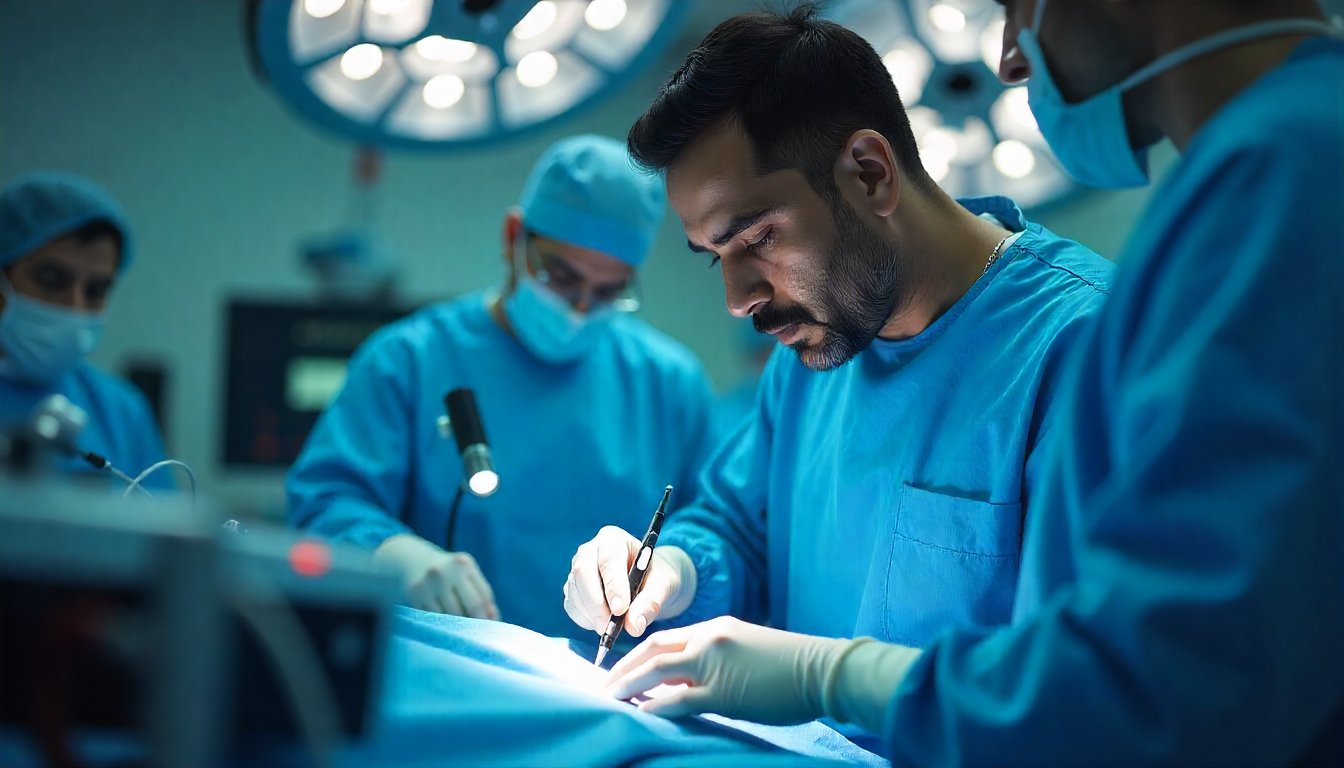
When conservative treatments fail, surgery becomes necessary.
-
Arthroscopic Surgery: Minimally invasive procedure for ligament and meniscus repair.
-
ACL / PCL Reconstruction: Restores knee stability in athletes.
-
Rotator Cuff Repair: Surgical repair of torn shoulder tendons.
-
Fracture Fixation: Advanced methods to heal complex fractures quickly.
Rehabilitation: The Core of Recovery
Rehabilitation bridges the gap between treatment and a return to activity. It ensures injuries heal correctly while rebuilding strength and flexibility.
Key elements of a rehab program include:
-
Pain Management: Ultrasound therapy, electrical stimulation, or ice therapy.
-
Strength Training: Focused exercises for injured muscles and supporting structures.
-
Flexibility Training: Stretching to prevent stiffness.
-
Balance & Coordination Exercises: Essential for athletes to regain agility.
-
Gradual Return-to-Sport Protocols: A stepwise plan to resume training safely.
Rehabilitation is personalized — no two injuries or recovery timelines are the same. For instance, while a hamstring tear may take weeks, ACL surgery recovery can take months of guided physiotherapy.
Benefits of Comprehensive Sports Injury Management
-
Faster and safer recovery.
-
Reduced risk of long-term complications.
-
Better muscle strength and joint stability.
-
Improved athletic performance after healing.
-
Lower chance of recurring injuries.
Preventing Sports Injuries
While injuries cannot always be avoided, prevention strategies reduce risks significantly.
Simple prevention tips include:
-
Always warm up before exercise and cool down afterward.
-
Focus on correct posture and training techniques.
-
Use proper shoes and safety gear.
-
Avoid overtraining; allow time for recovery.
-
Schedule regular checkups with a sports medicine specialist.
Why Choose Dr. Gaurav Arora in Gurgaon?
When it comes to managing sports injuries, the right expertise makes all the difference. Dr. Gaurav Arora, one of the best orthopaedic doctors in Gurgaon, offers advanced treatment and tailored rehabilitation programs. His expertise in arthroscopy, ligament reconstruction, and sports rehabilitation ensures that patients not only recover but also return stronger and more confident.
Whether you are an amateur runner, a gym enthusiast, or a professional athlete, Dr. Arora provides care that is precise, patient-focused, and outcome-driven.
Table: Non-Surgical vs Surgical Sports Injury Care
| Aspect | Non-Surgical Care | Surgical Care |
|---|---|---|
| Suitable For | Mild sprains, tendonitis, shin splints | Severe ligament tears, complex fractures |
| Recovery Timeline | 4–8 weeks | 3–6 months |
| Benefits | Less invasive, quick relief | Permanent repair, long-term stability |
| Limitations | May not fully restore function | Requires longer recovery and rehab |
Conclusion
Sports injuries can disrupt daily life and athletic careers, but with the right care, recovery is always possible. Sports injury management and rehabilitation is about more than just treatment — it’s about restoring confidence, preventing recurrence, and optimizing performance.
If you’re struggling with an injury, don’t wait until it gets worse. Book an appointment with Dr. Gaurav Arora, the leading orthopaedic surgeon in Gurugram, and take the first step toward complete recovery.