
Understanding Hip Replacement Surgery
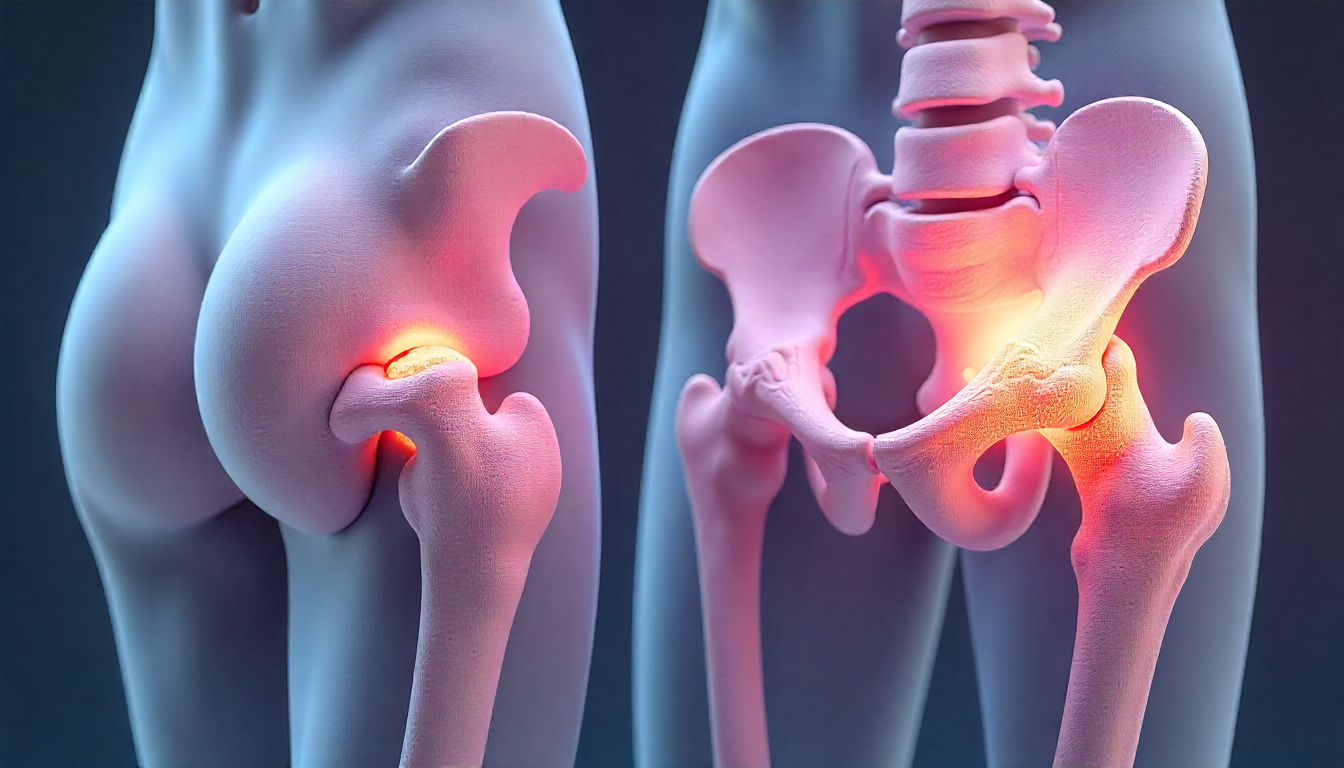
Hip replacement surgery, also known as total hip arthroplasty, is a life-changing procedure for many individuals suffering from chronic hip pain. This surgery involves replacing a damaged hip joint with an artificial implant, known as a prosthesis. The goal is to alleviate pain, restore mobility, and improve the overall quality of life. The procedure is typically recommended for patients with severe hip joint damage that has not responded to other treatments like medication, physical therapy, or lifestyle modifications.
Whether you’re dealing with the pain of osteoarthritis, rheumatoid arthritis, or a traumatic injury, understanding the process from consultation to recovery is essential. A leading expert in this field, Dr. Gaurav Arora, is a highly sought-after orthopaedic surgeon in Gurugram. His expertise in hip and knee replacement has helped countless patients regain their freedom of movement.
What is Hip Replacement Surgery?
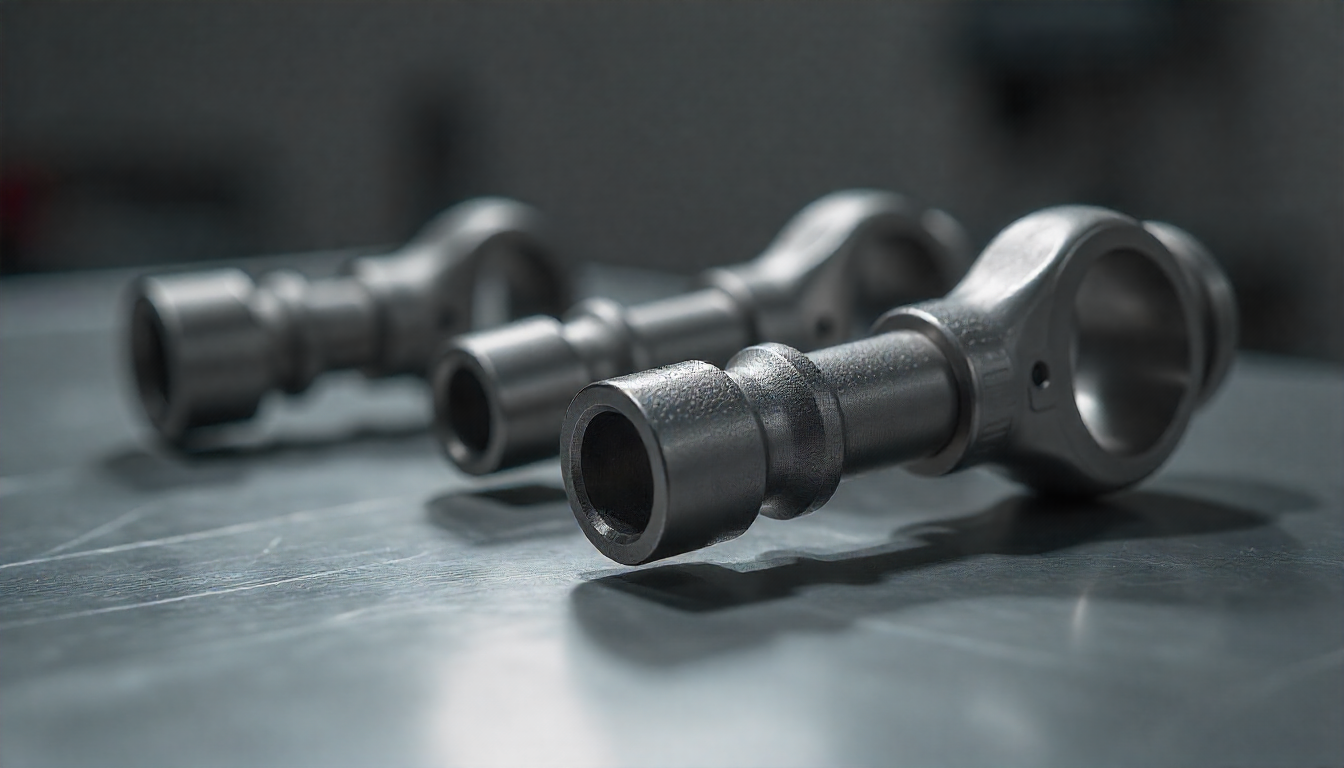
Hip replacement surgery is a surgical procedure where the diseased or damaged parts of the hip joint are removed and replaced with new, artificial parts. The natural hip joint is a ball-and-socket joint. The “ball” is the head of the femur (thigh bone), and the “socket” is the acetabulum, a part of the pelvis. In this surgery, the damaged femoral head is replaced with a metal ball attached to a stem that fits into the femur, and the damaged socket is replaced with a new plastic or ceramic liner.
The artificial components, or prostheses, are designed to mimic the natural function of the hip joint, allowing for smooth, pain-free movement. This surgery is one of the most successful and durable procedures in orthopaedic medicine. An orthopaedic specialist Gurgaon like Dr. Gaurav Arora can provide a comprehensive evaluation to determine if you are a suitable candidate for this surgery.
Reasons for Hip Replacement
Hip replacement surgery is primarily performed to treat severe pain and disability caused by conditions that affect the hip joint. The most common reasons include:
- Osteoarthritis: Often called “wear-and-tear” arthritis, this condition degenerates the cartilage that cushions the hip joint bones, leading to bone-on-bone friction. It is the most frequent reason for total hip replacement.
- Rheumatoid Arthritis: An autoimmune disease that causes chronic inflammation, which can severely damage the cartilage and bone.
- Post-traumatic Arthritis: Occurs after a severe hip injury or fracture, leading to cartilage damage over time.
- Avascular Necrosis (Osteonecrosis): A condition where the blood supply to the femoral head is interrupted, causing the bone to collapse.
- Certain Hip Fractures: When a hip fracture is severe, especially in older adults, a hip replacement may be the best course of action to ensure a faster return to mobility.
The Surgical Process: What to Expect
The journey to a new hip involves several key stages, from pre-operative preparation to post-operative recovery.
1. Pre-operative Consultation and Planning
The process begins with a detailed consultation with your orthopaedic doctor. The best orthopaedic doctor in Gurgaon, Dr. Gaurav Arora, will conduct a physical examination, review your medical history, and order imaging tests like X-rays to assess the damage to your hip joint. This phase is crucial for determining if surgery is the right option and for selecting the most appropriate type of implant.
- Medical Evaluation: You will undergo various tests (blood tests, EKG, etc.) to ensure you are healthy enough for surgery.
- Physical Therapy Assessment: A physical therapist may evaluate your current strength and mobility to help plan your post-operative rehabilitation.
2. The Surgery Itself
The surgery typically takes 1 to 2 hours. You will be given either general anesthesia or a spinal block to numb the lower part of your body. The surgeon makes an incision over the hip, and the damaged parts of the joint are carefully removed. The new artificial components are then implanted and secured.
3. Post-operative Hospital Stay
After the surgery, you will be moved to a recovery room. Most patients stay in the hospital for 1 to 3 days. During this time, a physical therapist will help you with early mobilization. The goal is to get you up and walking, often with the help of crutches or a walker, within a day of the surgery.
4. Rehabilitation and Recovery
Rehabilitation is the most critical part of the recovery process. A structured physical therapy program is essential for regaining strength and mobility.
- Hospital Stay: Early walking exercises and simple movements.
- Post-Discharge: Continuing physical therapy at home or in an outpatient clinic. This includes strengthening exercises, range-of-motion activities, and gait training.
Types of Hip Replacement
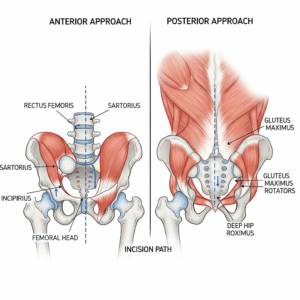
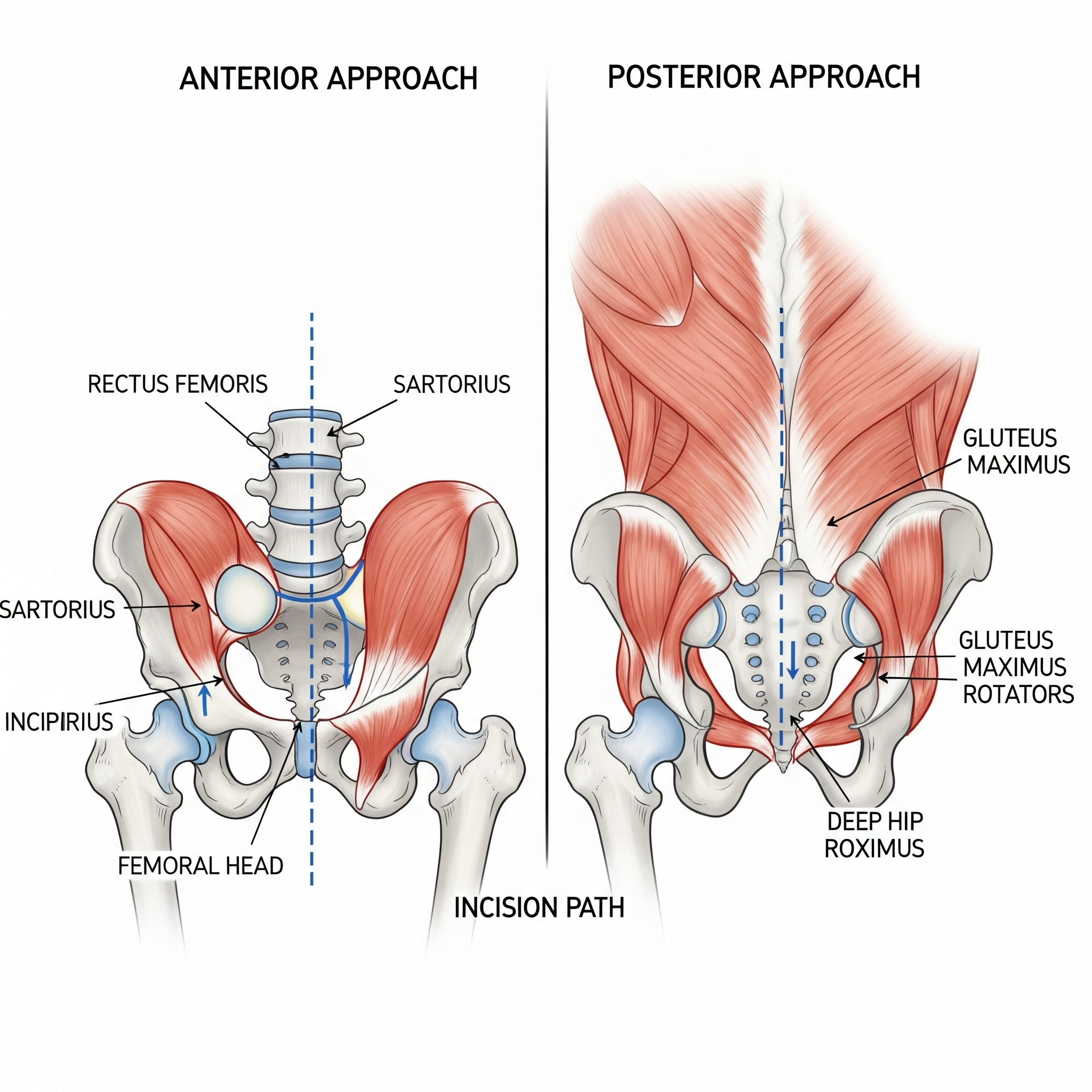
There are different surgical approaches and types of prostheses used in hip replacement surgery. Your surgeon will choose the best option based on your age, activity level, and the specific condition of your hip.
- Total Hip Replacement: As described, this involves replacing both the femoral head and the acetabulum.
- Partial Hip Replacement (Hemiarthroplasty): This procedure is usually done for certain types of hip fractures, replacing only the femoral head, not the socket.
- Hip Resurfacing: A less common procedure that involves capping the femoral head with a metal component rather than removing it. It is often considered for younger, more active patients.
Comparing Surgical Approaches
For a personalized recommendation on the best approach for you, it is crucial to consult a skilled orthopaedic surgeon. An experienced professional like a top orthopaedic surgeon in Gurgaon will discuss all available options to ensure the best possible outcome.
Potential Risks and Complications
While hip replacement surgery is generally safe and successful, like any major surgery, it carries potential risks. These are rare but can include:
- Infection: Both at the surgical site and deep within the joint.
- Blood Clots: Can form in the legs (DVT) and travel to the lungs (pulmonary embolism).
- Dislocation: The ball of the new hip can come out of the socket, especially in the early stages of recovery.
- Leg Length Inequality: One leg may feel slightly shorter or longer after the surgery.
- Nerve Damage: Rare, but can lead to numbness or weakness.
Your surgeon will take all necessary precautions to minimize these risks. Patient education and adherence to post-operative instructions are also vital for a smooth recovery. Reputable sources like the Mayo Clinic and WebMD provide excellent, reliable information on these topics.
Life After Hip Replacement


A successful hip replacement can dramatically improve your quality of life. The vast majority of patients experience significant pain relief and a return to activities they love, such as walking, swimming, and golfing. With modern implants, a hip replacement can last for 20 years or more. However, some high-impact sports like running and competitive jumping are generally not recommended.
Conclusion
Hip replacement surgery is a highly effective treatment for severe, debilitating hip pain. If you’re struggling with chronic pain that limits your daily activities, it’s time to consider a consultation with a specialist. A top orthopaedic specialist like Dr. Gaurav Arora can provide a thorough evaluation and guide you through every step of the process, from diagnosis to recovery. Take the first step toward a pain-free life and improved mobility.
Don’t let hip pain control your life. Book an appointment with Dr. Gaurav Arora, the best orthopaedic surgeon in Gurugram, to discuss your treatment options and get back on your feet.